The Architecture of Expression: Bunny Brunel in Motion
Tone, Form, and Function—The Blueprint of a Bassist Who Reshaped the Language
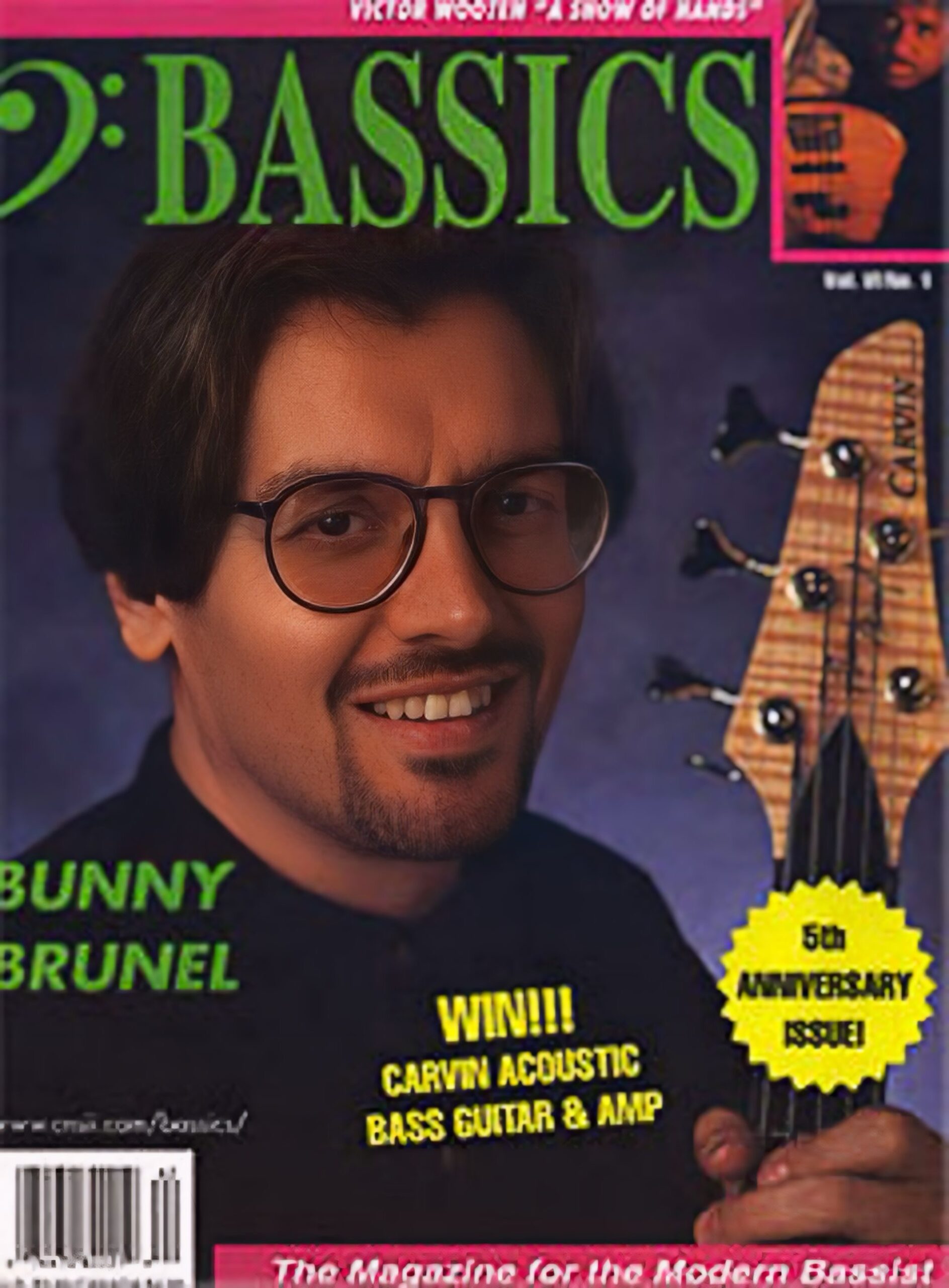
The trajectory of Bunny Brunel’s career is not defined by isolated achievements, but by a continuous expansion of musical language—one that moves fluidly between precision, collaboration, innovation, and cultural dialogue. From the disciplined architecture of CAB to global explorations and moments of institutional recognition, Brunel’s work reveals an artist committed not simply to performance, but to redefining the role of the bass within modern music. The CAB years stand as one of the most concentrated and structurally significant periods in his career. Formed with guitarist Tony MacAlpine and drummer Dennis Chambers, CAB was conceived not as a casual supergroup, but as a deliberate study in musical cohesion at a time when fusion itself risked fragmentation. Within this setting, Brunel emerged as more than a bassist—he became a central architect. His use of harmonics, chordal voicings, and tonal control allowed the instrument to occupy both rhythmic and harmonic space, transforming the trio format into something far more expansive.
The recordings from this era—particularly CAB and CAB 2—capture a rare equilibrium between technical sophistication and restraint. Complexity never overrides groove; instead, it is integrated into a larger compositional logic. Each phrase serves a purpose, each transition reinforces structure. Brunel’s tone—clean, articulate, and expressive—functions as both foundation and connective tissue, linking the percussive force of Chambers with the harmonic reach of MacAlpine. It is a model of disciplined interplay, where virtuosity is guided by intent rather than display. This clarity of purpose would receive formal recognition when CAB 2 earned a Grammy nomination for Best Contemporary Jazz Album in 2001. Yet the significance of that moment lies less in the accolade than in what it affirms: a body of work grounded in compositional rigor and musical integrity rather than trend. The nomination did not alter Brunel’s trajectory—it confirmed it.
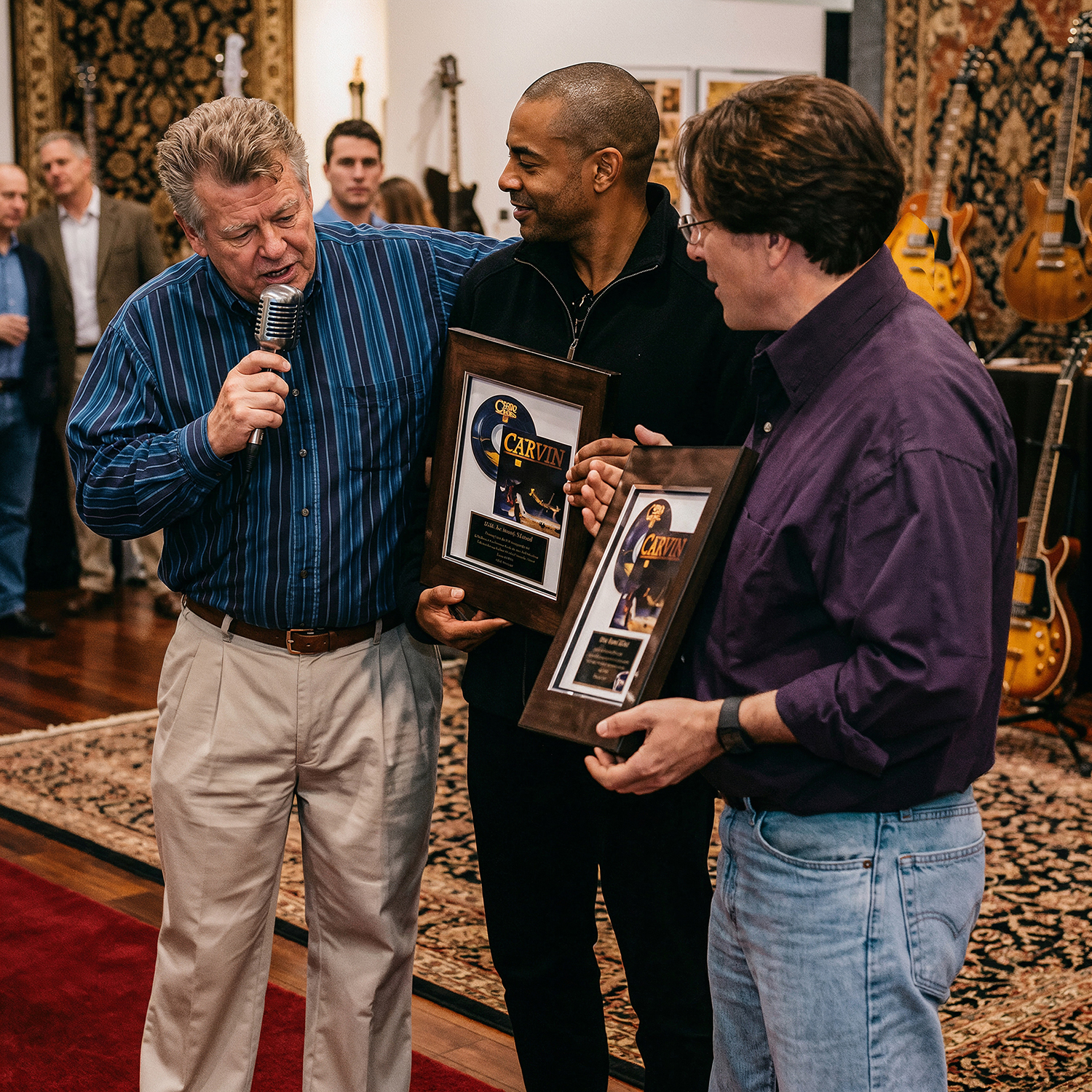
Carvin/Kiesel Recognizes Bunny Brunel & Tony MacAlpine (representing the band) for their CAB 2 Grammy Nomination.
Parallel to these structured explorations, Brunel’s career also reflects a deep commitment to global dialogue. The Matters of the Heart tour in India, performed under the Bunny Brunel Allstars banner, represents a turning point in cultural engagement. Rather than imposing a Western fusion framework, the music evolved through interaction—absorbing the rhythmic intricacies and melodic sensibilities inherent to Indian tradition. Brunel’s fretless playing, with its vocal-like phrasing, proved particularly suited to this environment, aligning naturally with the fluidity of Indian melodic forms. The performances themselves became conversations. Each night carried its own identity, shaped by the interplay between musicians and the responsiveness of the audience. Leadership, in this context, was not dominance but direction—guiding the ensemble while allowing space for organic development. The result was music that transcended geography, grounded in a shared language of expression rather than stylistic boundaries. Brunel’s adaptability is further evident in his collaborations across stylistic and generational lines. His work with Oscar Peterson represents a different kind of dialogue—one rooted in tradition, precision, and mutual respect. In this setting, Brunel’s role shifts subtly. The emphasis is on clarity, support, and tonal depth, aligning with Peterson’s refined and authoritative approach to the piano. The exchange is measured, devoid of excess, and anchored in a shared understanding of structure and nuance. It is not a departure from Brunel’s identity, but an extension of it—proof of his ability to engage at the highest level across contexts.
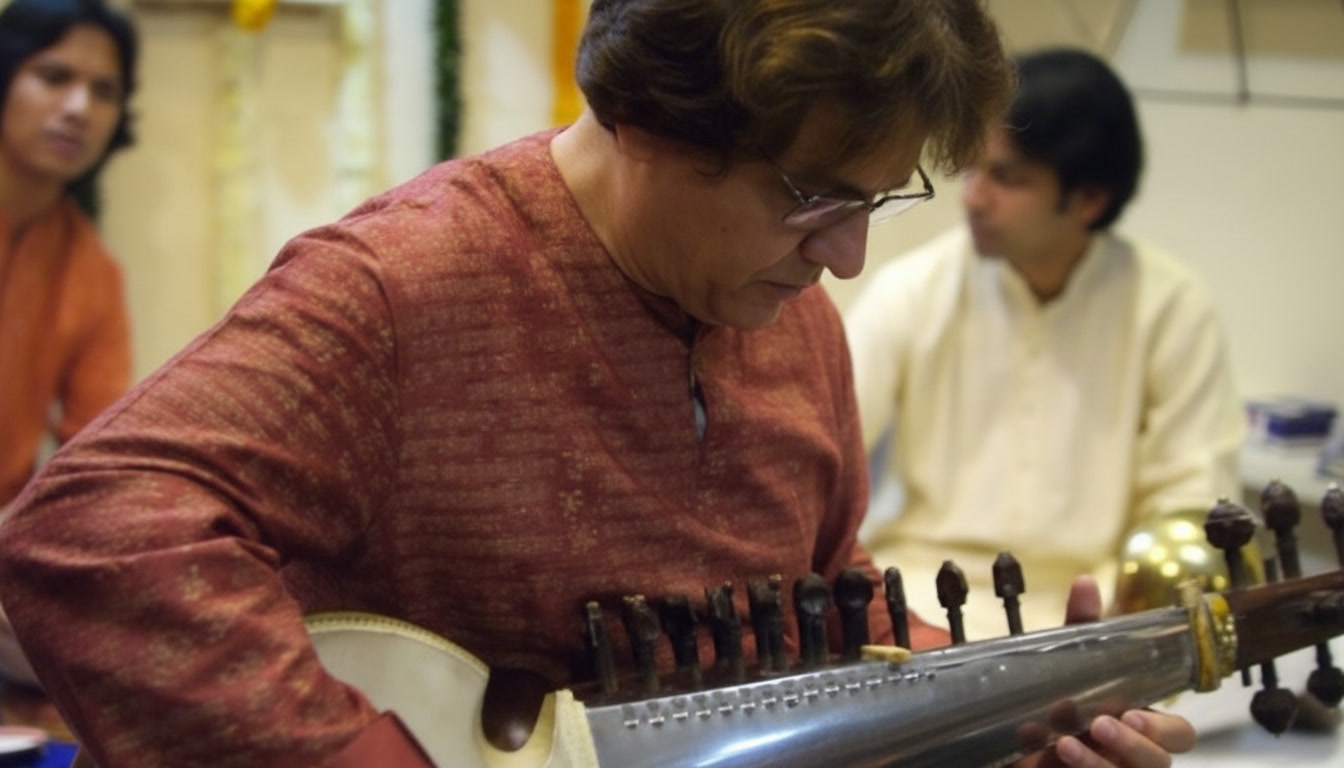
“Matters of the Heart” Tour in India starring Bunny Brunel Allstars by Sandeep Chowta
Recognition, when it comes, often arrives not only from institutions but from places of origin. The presentation of the key to the city of Nice marks a deeply personal milestone. More than ceremonial, it reflects a full-circle moment—an acknowledgment from the environment that shaped him. In that gesture lies a broader narrative: international achievement grounded in enduring connection to one’s roots. Equally integral to Brunel’s legacy is his relationship with the instrument itself. His collaboration with Carvin during the 1990s and early 2000s demonstrates a commitment to sound at its source. The development of his signature bass models was not an abstract exercise in branding, but a practical extension of his musical philosophy. These instruments—designed for clarity, responsiveness, and tonal versatility—reflect the same balance found in his playing: innovation guided by functionality. In this sense, Brunel operates not only as performer, but as designer—shaping the very tools through which his ideas are realized.
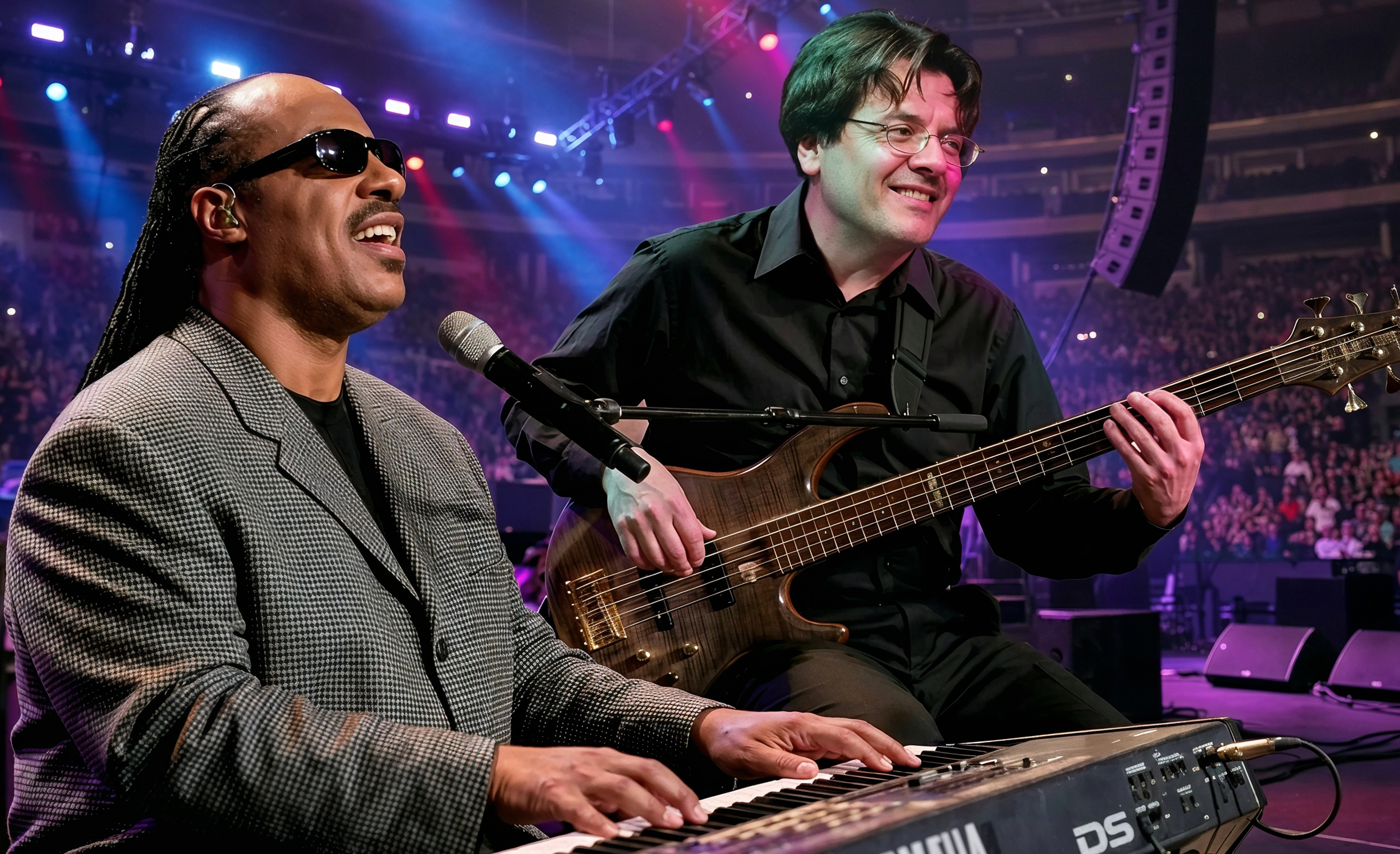
Bunny Brunel & Stevie Wonder (composite)
Moments such as the 2001 MusiCares event further situate Brunel within a broader artistic community. Sharing the stage with figures like Stevie Wonder, in a setting dedicated to supporting musicians in need, underscores a dimension of his career that extends beyond performance. Here, music serves a collective purpose. The atmosphere is distinct—less about presentation, more about contribution. Brunel’s presence reflects an awareness that legacy is not defined solely by output, but by participation in a larger cultural and humanitarian framework. Taken together, these chapters form a coherent narrative. The disciplined architecture of CAB, the global dialogue of the India tour, the acknowledgment of the Grammy stage, the refinement of collaborations with masters, the recognition from home, the design of instruments, and the commitment to community—all point to a singular throughline. Brunel is not simply navigating the landscape of modern fusion; he is actively shaping it. At the center of this evolution is a redefinition of the bass itself. No longer confined to its traditional role, it becomes a vehicle for harmony, structure, and expression—an instrument capable of carrying the full weight of musical architecture. In Brunel’s hands, it is both anchor and voice, foundation and narrative. This is not the story of a career built on moments of visibility, but one constructed through intention, discipline, and an unwavering commitment to musical truth.