From Patrick Moraz to Chick Corea: The Turning Point in Bunny Brunel’s Career
Billboard recognition, platinum-era proximity, and the introduction that led to one of the most important collaborations in modern jazz
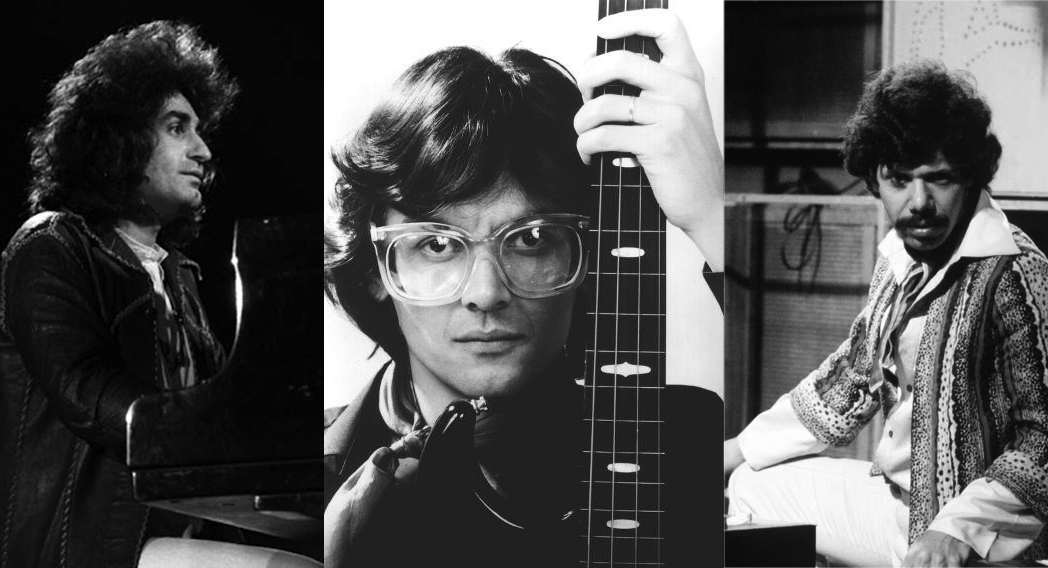
Careers rarely hinge on a single event. More often, they evolve through a chain of encounters—each one building on the last, each one widening the field of possibility. For Bunny Brunel, one of the most decisive of those encounters came through Patrick Moraz.
What began as a collaboration between two highly advanced musicians became the bridge to an entirely new level of visibility, credibility, and influence—one that would ultimately lead to a defining partnership with Chick Corea and position Brunel among the leading voices in jazz fusion.
The Moraz Connection: Chart Success and Industry Momentum
By the late 1970s, Moraz had already established himself as a formidable force in progressive rock and jazz, with a résumé that included Yes and later The Moody Blues. His solo work required musicians who could navigate complex harmonic structures with precision while maintaining musical clarity—an uncommon combination.
Brunel met that standard immediately.
Their collaboration on Out in the Sun (1977) placed Brunel in a recording environment where technical command and musical sensitivity were equally essential. Among the album’s standout tracks was “Transcendence,” which gained significant traction and is widely cited for its strong performance on the Billboard Jazz charts—often referenced as reaching the top position.
This moment matters for a reason. It represents one of the earliest instances where Brunel’s playing was not only recognized within musician circles, but also registered within the broader industry. It demonstrated that his approach to the instrument—fluid, melodic, and structurally aware—could connect beyond the confines of fusion.
At the same time, Moraz’s career extended into the commercial peak of The Moody Blues. During his tenure, the band released The Other Side of Life (1986), a multi-platinum album driven by global hits such as “Your Wildest Dreams.”
While Brunel was not part of that recording, his close professional relationship with Moraz placed him within an orbit operating at the highest commercial level of the industry. This proximity was not incidental—it reflected the caliber of musicianship required to move within those circles.
In this sense, the Moraz period has sometimes been described as a “red herring”—a phase of visible commercial success that, while significant, only hinted at the deeper artistic trajectory that would follow.
“I found the bass player who can play what you write on the piano.” —Patrick Moraz
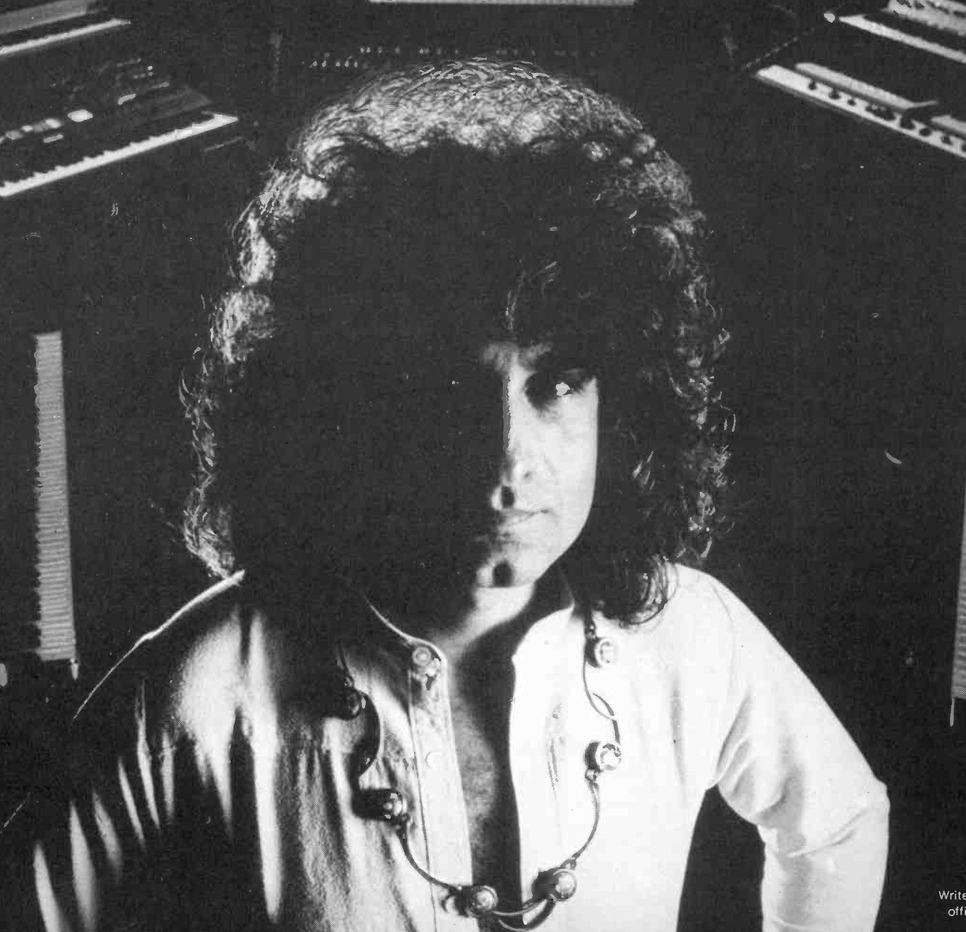
Patrick Moraz: Citizen of YES, Moody Blues, and the world. (1978 Promo Poster)
Ronnie Scott’s: The Introduction That Changed Everything
The next chapter began in London, at Ronnie Scott’s Jazz Club.
It was here that Moraz heard Brunel perform live and recognized something that extended beyond technical ability. Brunel’s phrasing and articulation suggested an approach to the bass that was closer to a keyboard—capable of executing complex harmonic ideas with speed, clarity, and musical intent.
Moraz acted immediately.
He recommended Brunel directly to Chick Corea, reportedly describing him as the bassist who could play what Corea was hearing at the piano.
This was not a casual endorsement. It was a high-stakes introduction from one established virtuoso to another—and it carried weight.
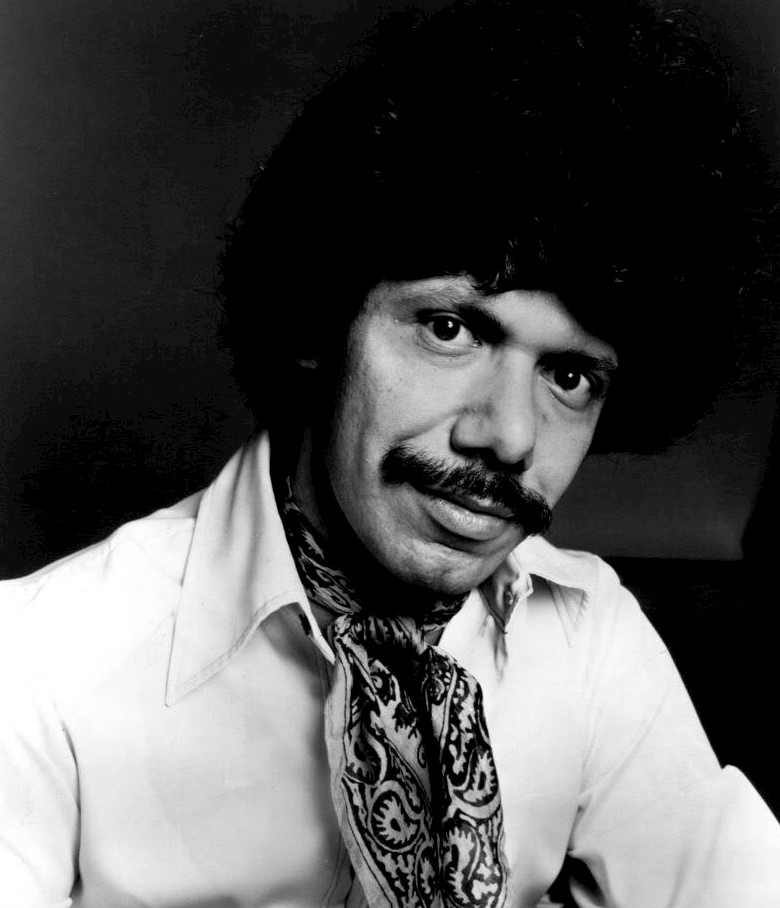
Chick Corea 1976
The Chick Corea Years: Precision at the Highest Level
The result of that introduction was a nine-year working relationship with Chick Corea—one of the most demanding and forward-thinking figures in modern jazz.
Within Corea’s ensembles, expectations were uncompromising. Musicians were required to navigate shifting forms, advanced harmonic structures, and intricate rhythmic concepts while maintaining clarity and cohesion as an ensemble.
Brunel’s contribution during this period reflects a musician operating at full capacity.
“Bunny’s melodic approach to improvising on the bass has always been refreshing to me. There is always melody and a singing quality in his solo lines, as well as in his bass support playing. His use of chords and guitar-like harmonies on the bass is unique.” — Chick Corea
Recordings such as Secret Agent and Tap Step, both recognized within Grammy contexts, document a period in which the bass was no longer confined to a supporting role. Instead, it functioned as an active participant in shaping the harmonic and rhythmic direction of the music.
Equally important was what this period refined: control, phrasing, and structural awareness. Brunel’s ability to articulate complex ideas with precision—without sacrificing musicality—became a defining characteristic of his playing.
These are not abstract qualities. They are the exact skills required in environments where composition and performance intersect at a high level.
From Fusion to Film
The transition from jazz fusion to film scoring may appear, at first glance, to be a shift in direction. In reality, it was a natural extension.
The same qualities that allowed Brunel to function within Corea’s ensembles—clarity, restraint, and an understanding of musical structure—are the qualities required in film scoring. In that context, the goal is not to display virtuosity, but to serve the narrative.
This is what made Brunel a natural fit for later collaborations with figures such as Clint Eastwood and Henry Mancini.
The foundation for those opportunities was built here—in the Moraz and Corea years—where expectations were high, and the margin for error was minimal.
A Continuous Line
Seen in isolation, each of these moments—Moraz, Billboard recognition, the Moody Blues connection, Ronnie Scott’s, Chick Corea—can appear as separate milestones.
Taken together, they form a continuous line.
A collaboration that introduced Brunel to a broader audience.
A performance that led to a decisive recommendation.
A partnership that refined his musical language at the highest level.
From Patrick Moraz to Chick Corea, the path is clear—but only in retrospect.
At the time, it was simply the next session, the next call, the next opportunity to play.
Conclusion
What defines this period is not a single achievement, but a sequence of events that reshaped the trajectory of a career.
The Moraz collaboration established visibility and industry momentum.
The Ronnie Scott’s performance created a critical connection.
The Chick Corea years confirmed Brunel’s place at the highest level of modern jazz.
Together, they form one of the most important chapters in Bunny Brunel’s story—one that continues to resonate through his later work in fusion, film, and beyond.
And like many defining moments in music, it did not arrive with announcement or fanfare.
It simply unfolded—until its significance became undeniable.