Creating Fusion with No Safety Net
When the Bass Stepped Forward and Never Looked Back
Interviewed by Sean McKenzie | Transcriptions by Annabelle Leammon
By Bunny Brunel
At the end of the day, titles, fame, and approval never meant much to me. “I just wanted the bass to speak. The music either has depth or it doesn’t; everything else is just noise.”
When I look back at what people now call fusion, I don’t remember anyone trying to invent a genre. We were simply trying to make the music better. We were looking for new colors, new tones, and new possibilities. If that meant going electric or bringing in synthesizers, we did it. There was no discussion about whether it fit into a category. We were too busy writing and playing.
That spirit carried into everything I did early on. Even in France, experimenting with fretless bass before I knew about Jaco Pastorius, I was chasing a sound that could blend melody and improvisation. When I eventually came to the United States to work with Chick Corea, the reality was very direct. There was no rehearsal, no time to hesitate. You either played or you walked. That environment taught me quickly that fear has no place in music at that level.
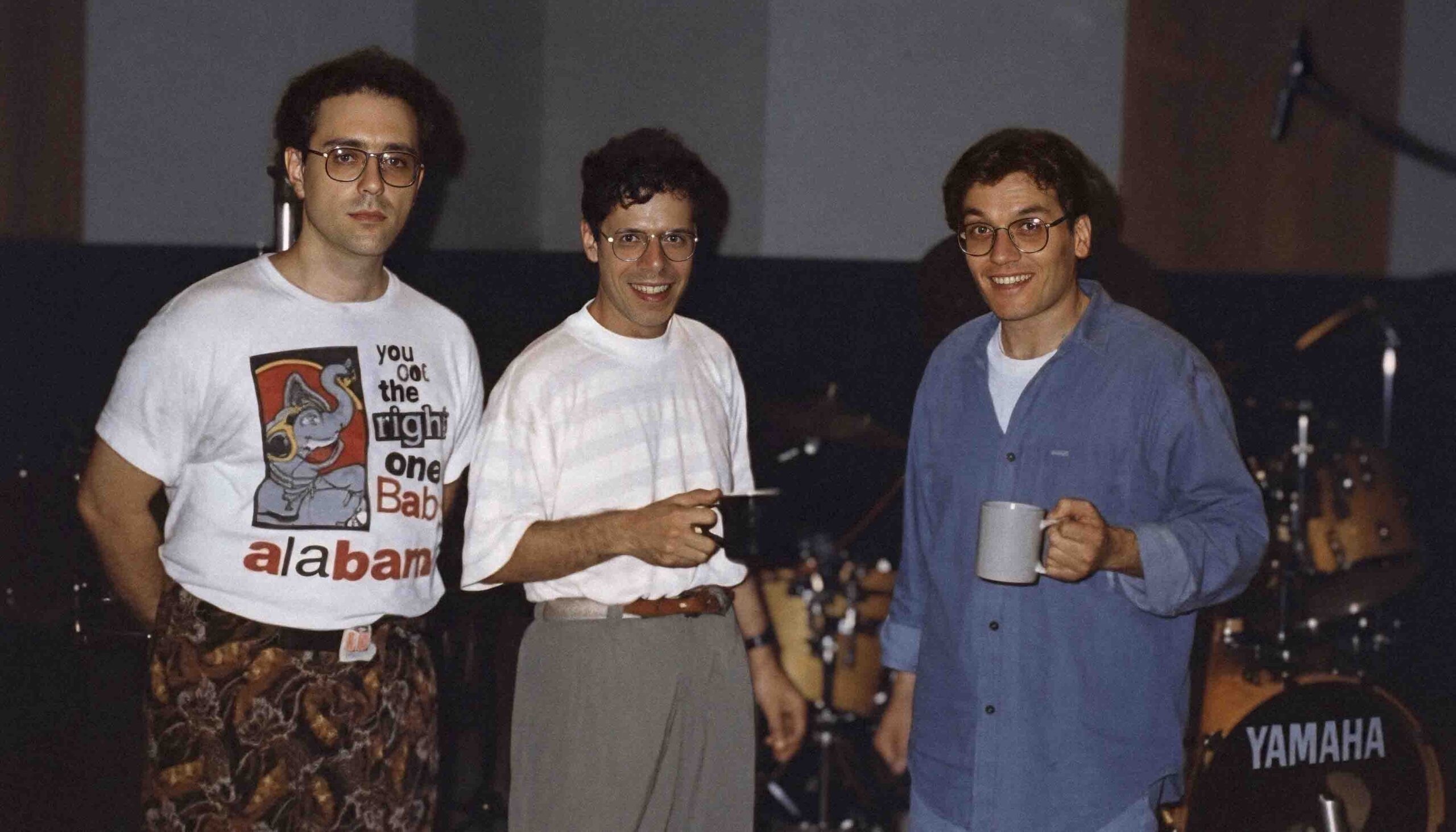
Vinnie Calauita, Chick Corea, and Bunny Brunel taking a break from recording (circa 80s).
Working with players like Tony Williams reinforced something even deeper. Time is not something you follow, it is something you shape. That changed the way I approached the bass. It became less about keeping time and more about understanding the architecture of the music.
That idea of architecture also had to adapt in very different musical environments. Not everything was about intensity or complexity. Some of it required restraint and complete control.
Sean McKenzie: You spent many years as the Musical Director for the legendary Georges Moustake, a partnership that eventually led you to the stage of Carnegie Hall. Moustake’s music was about poetry, nuance, and space. How did you navigate the transition from being a “monster” player to the director of such a delicate musical environment?
Bunny Brunel: It really comes down to what I call “musical diplomacy”. I was his Musical Director for years, and we toured the entire world together. Moustake’s music was rooted in the story and the lyric, which required a completely different architecture than a fusion session. As a director, you have to be invisible and essential at the same time. You aren’t there to show off; you are there to protect the emotional integrity of the song.
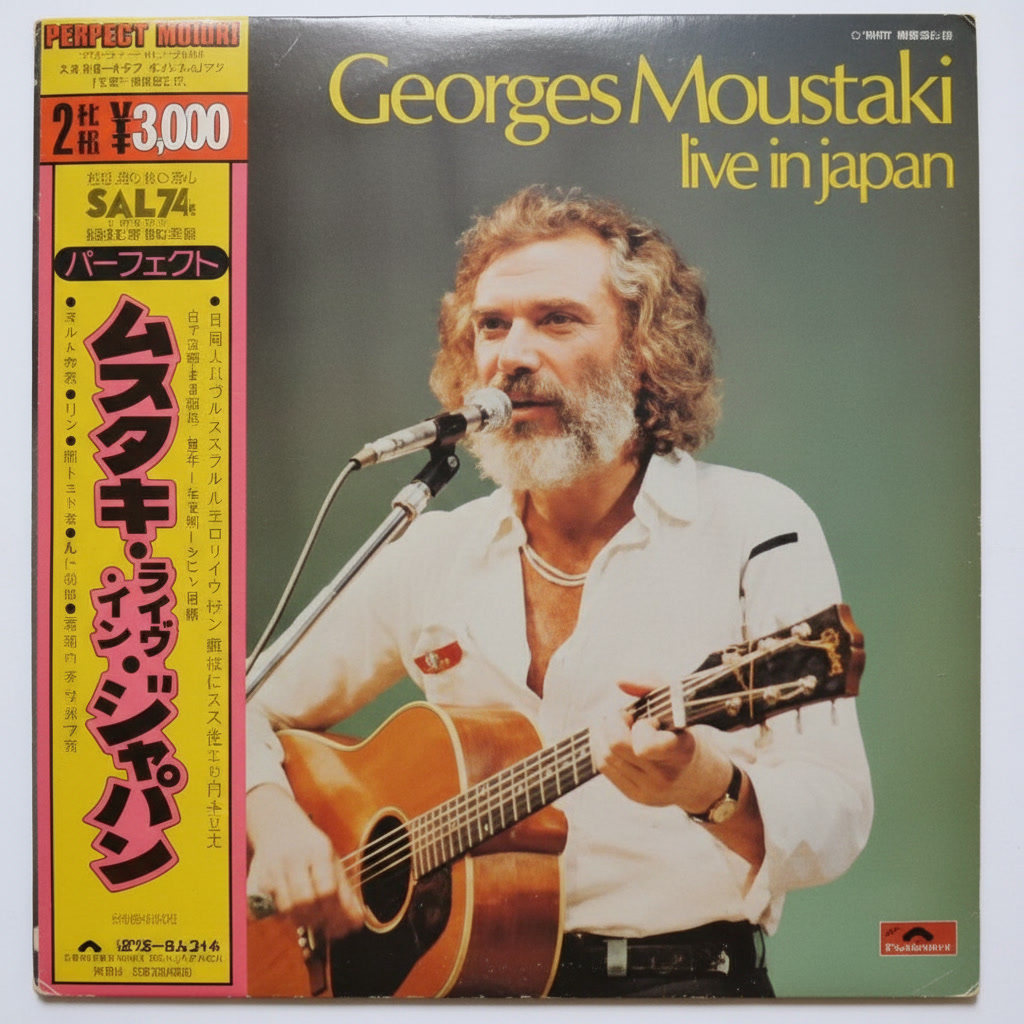
Georges Moustake 54-city-Tour in Japan, Bunny Brunel MD/Bass
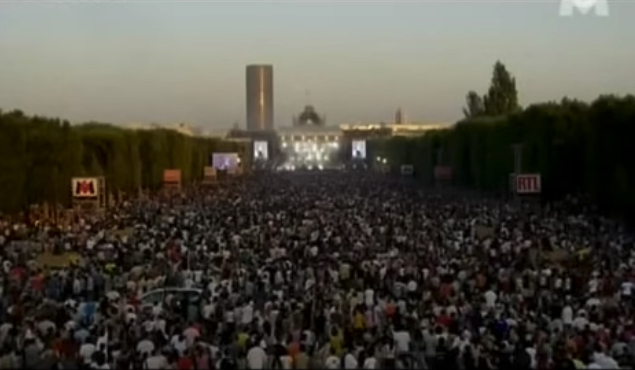
That sense of control and balance carried into every situation after that, whether intimate or massive in scale. One moment that has taken on new meaning for me came from the research behind this issue. For years, I always thought of Michel Polnareff’s “Ze (RE) Tour” as a one-million-person experience. That alone felt enormous. But the research shows the total audience was closer to three million. I was off by two million people. When you are on stage, you are not counting numbers, you are focused on making sure the music holds together. Seeing that now, it puts the scale of that experience into a different perspective. I also understand there is a film documenting that concert, and I have been told I am featured as one of the key musicians in it. I would like to see that myself. It is interesting how history sometimes catches up to the moment long after you have already lived it.
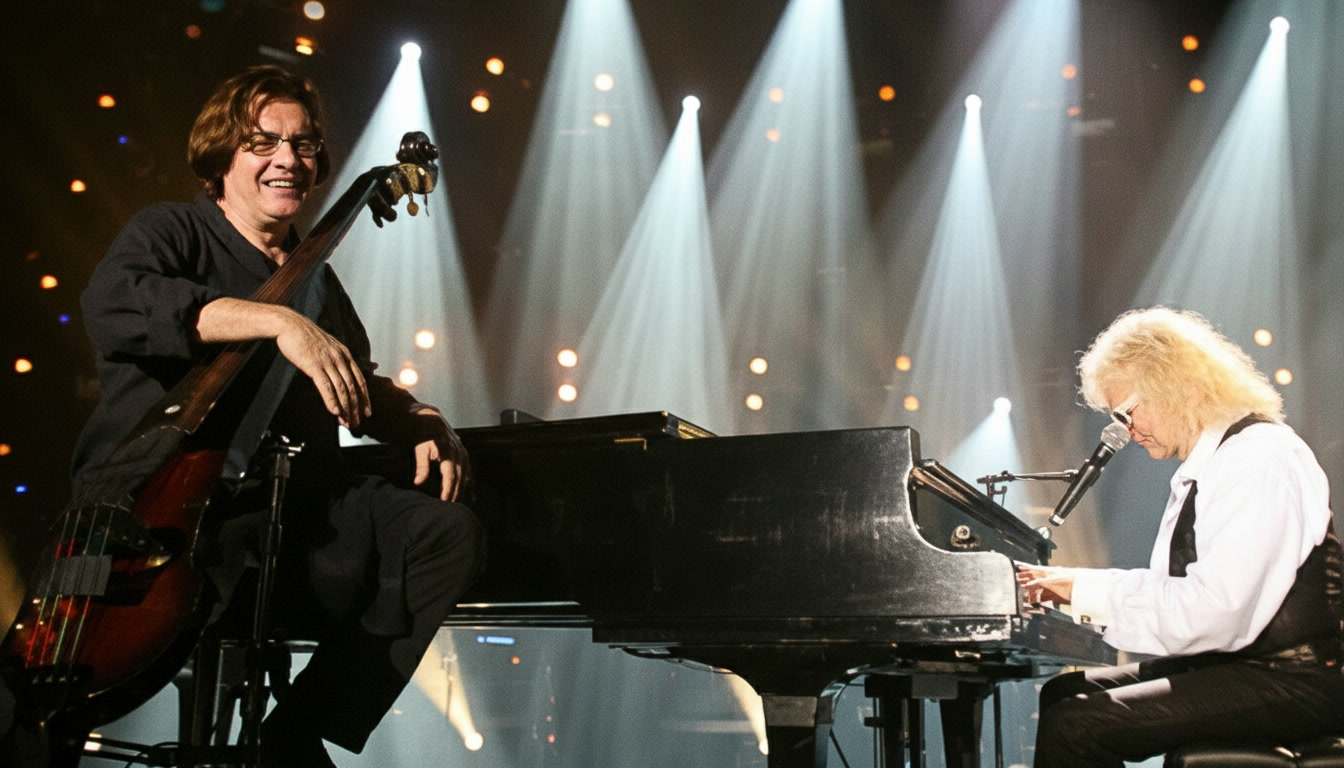
Bunny Brunel Ze (RE) Tour 2007 MD/Conductor/Bassist for Michel Polnareff
Sean McKenzie: You’ve performed in intimate jazz clubs and elite studio sessions, but in 2007, you stood at the foot of the Eiffel Tower as the Musical Director for Michel Polnareff’s “Ze (RE) Tour,” playing to over three million people. How does a fusion bassist manage the “architecture” of a show that massive without losing the technical integrity of the music?
Bunny Brunel: You have to be the anchor. When you’re standing on a stage that large, looking out at a sea of over a million faces, the stakes are completely different. My work as a music director usually comes out of necessity—artists need someone who can organize the chaos and make the arrangements make sense for a world-class band.
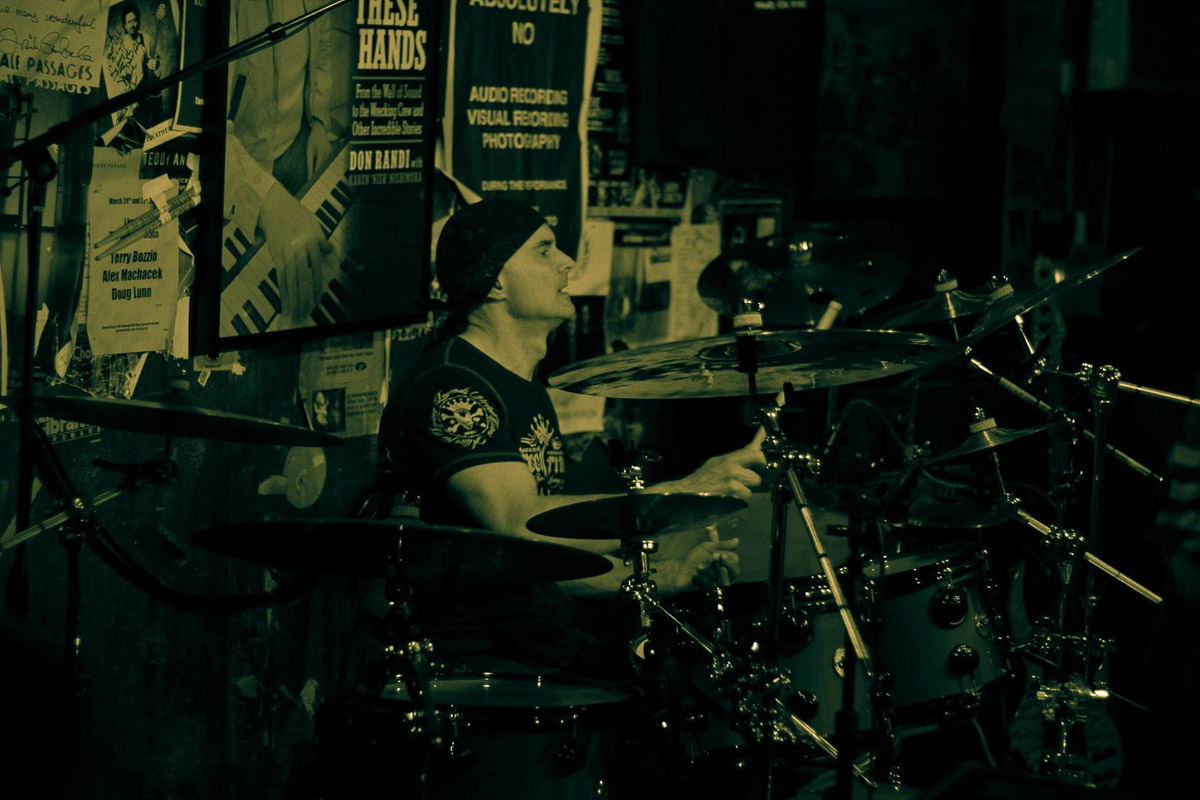
CAB: Virgil Donati at the Baked Potato 2015
I didn’t want a standard pop-rock backing group; I wanted a “supergroup” that could bring a technical edge to Polnareff’s songs. I recruited Virgil Donati on drums and Tony MacAlpine on guitar—two of the most dangerous players I know. As a bassist, you already understand structure because you’re holding the foundation of the music every night. If the bass chair falls apart, the whole million-person experience falls apart. We brought the complexity of fusion to the biggest stage in the world and proved that if you give an audience depth, they will stay with you.
That same philosophy applies whether I am working with a trio, a band like CAB, or expanding into orchestral writing. When we brought in Kaylene Peoples, it added a lyrical dimension that fusion does not always have. It allowed the music to tell more stories and opened the door to new interpretations of complex material. Now, taking that same music into a symphonic setting feels like a natural progression. Fusion always had classical DNA in it, and putting that on paper completes the idea. There is still no safety net. The music has to stand on its own.
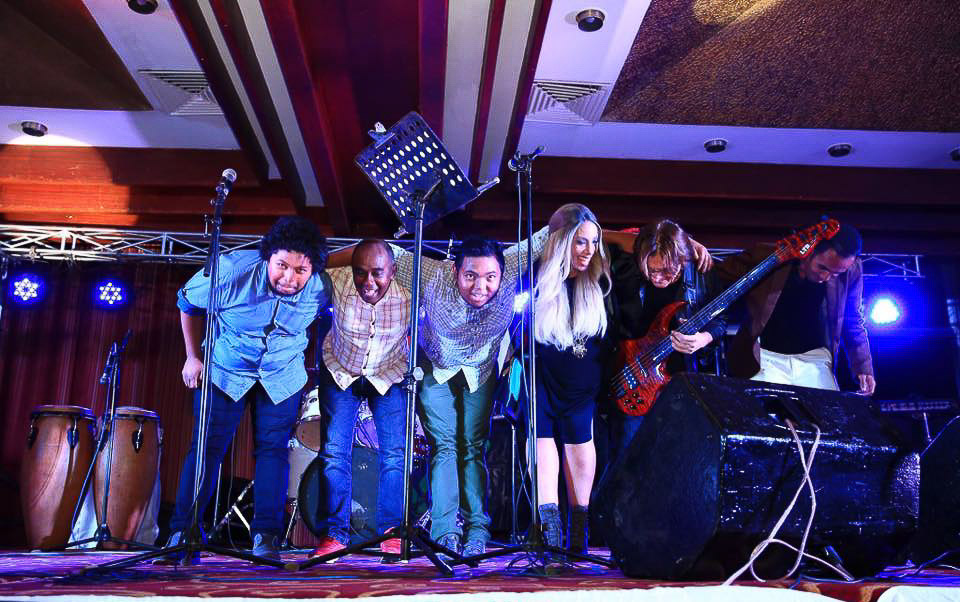
Madajazzcar 2016 Headliner CAB: Bunny Brunel with Kaylene Peoples (flute/Vox) and Madagascar’s Local Jazz Musicians
There are still stories that deserve a deeper look. One that comes to mind is Miroslav Vitous. What he did in the early days of electric jazz and with Weather Report helped open the door for everything that followed. It is a different path, but an important one. I have always felt there is more to explore there, and I would like to sit down with him one day and really go into that history. Maybe that becomes part of the next chapter. Who knows, maybe Issue 5.
“Amazing bass player that inspired lots of players with his amazing technique on the acoustic bass and electric bass. I always love to listen to him play. He had a very strong arco concept and a great pizzicato sound, and you could hear the classical training in his phrasing and intonation. In the early fusion years, he really showed that the acoustic bass could hold its own in that music.” — Bunny Brunel
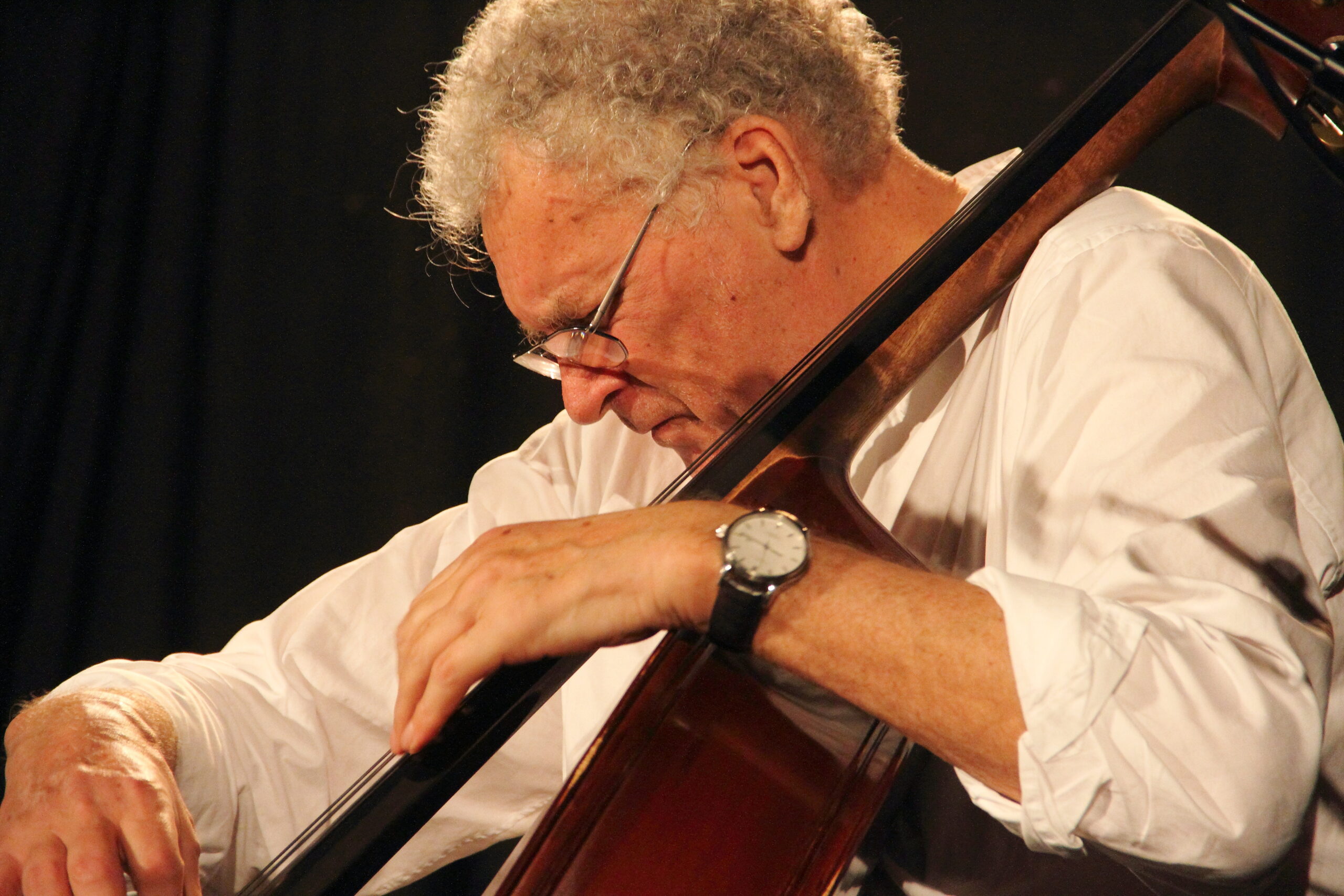
Miroslav Vitouš & Adam Pierończyk beim INNtöne Jazzfestival 2017 (Photo: by Schorle)
Over time, people have tried to define what we did. They talk about movements, categories, even canon. I never approached it that way. But I do recognize that I am in very good company with Stanley Clarke, Jaco Pastorius, and Jeff Berlin. We were all pushing the instrument forward in our own way, not together, but at the same time.
And that movement is still alive. There are more fusion players than people realize, and the audience is still there. It has never disappeared. It simply needs to be brought back into focus.
What matters to me now is passing that knowledge on. Through recordings, orchestral work, and upcoming projects, including a deeper exploration of this canon, the goal is to show the next generation how this music was built. Not just the notes, but the thinking behind it.
Because in the end, nothing has changed.
“He made the acoustic bass speak in fusion. That’s not easy.” — Bunny Brunel
The music either has depth or it doesn’t.
Explore Virtuoso Bass Issue 4: The Founding Four for a deeper look at the history of electric jazz fusion bass and the players behind its evolution.