Pre-2015: Concerts, Festivals, Residencies, & More
From Chick Corea to CAB
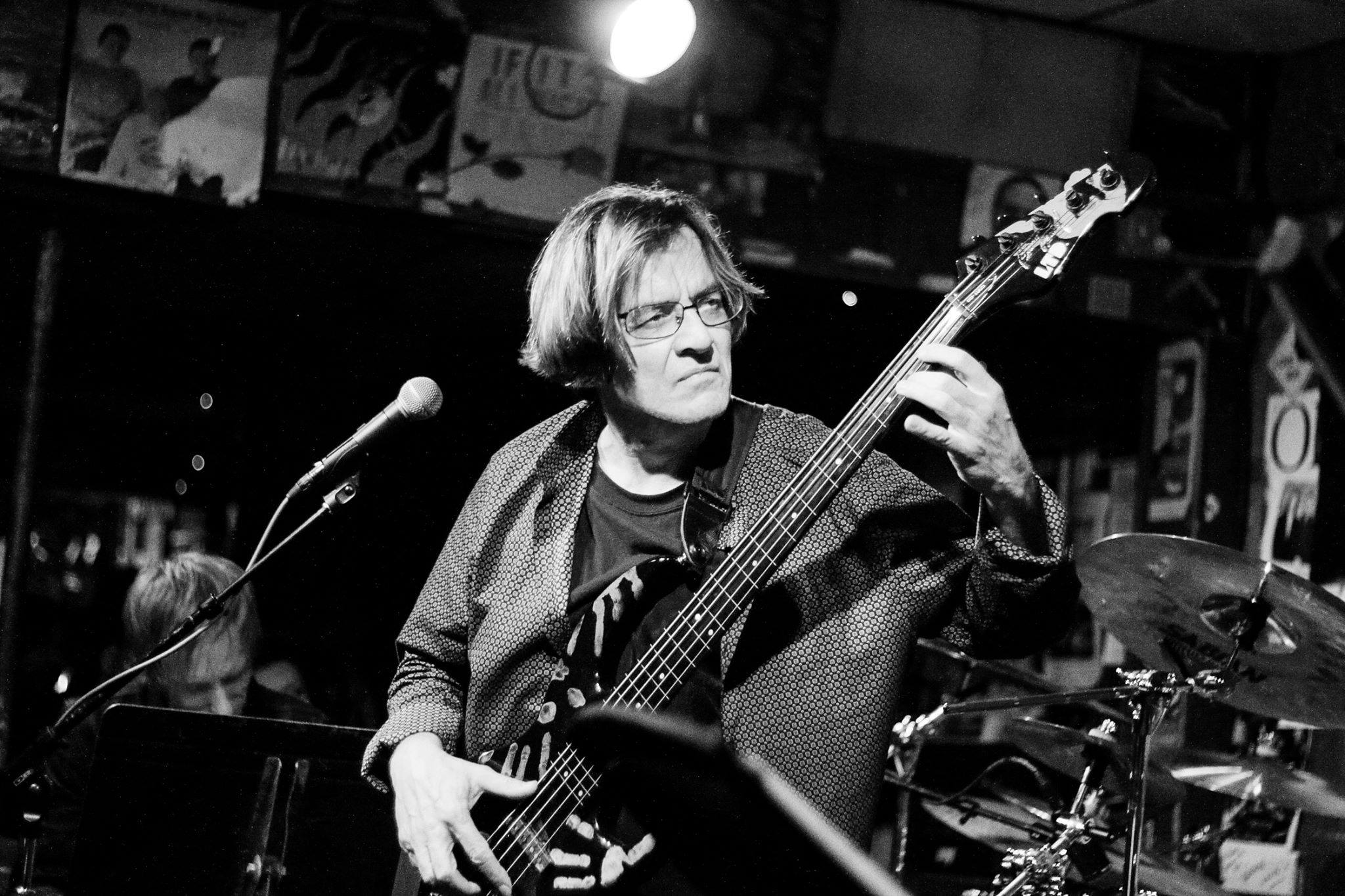
Global Milestones & Foundations (Pre-2015)
“CAB” with Bunny Brunel and Tony MacAlpine at the Baked Potato in Studio City Saturday, May 31, 2014 at 9:30PM
October 30, 2013 – Matters of the Heart Launched.
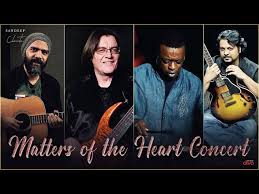 Ravindra Kalakshetra (Bangalore, India) – Sandeep Chowta’s Matters of the Heart Launch (Bunny Brunel, Sandeep Chowta, Clayton Cameron, Tony Das)
Production: Brunel was particularly impressed by the collaboration, noting that the song was recorded at Gigi’s Studio in Laguna Niguel with “the greatest musicians of our generation.”
Musical Style: Brunel described Chowta’s compositions on the album as “rich, lush, and challenging”.
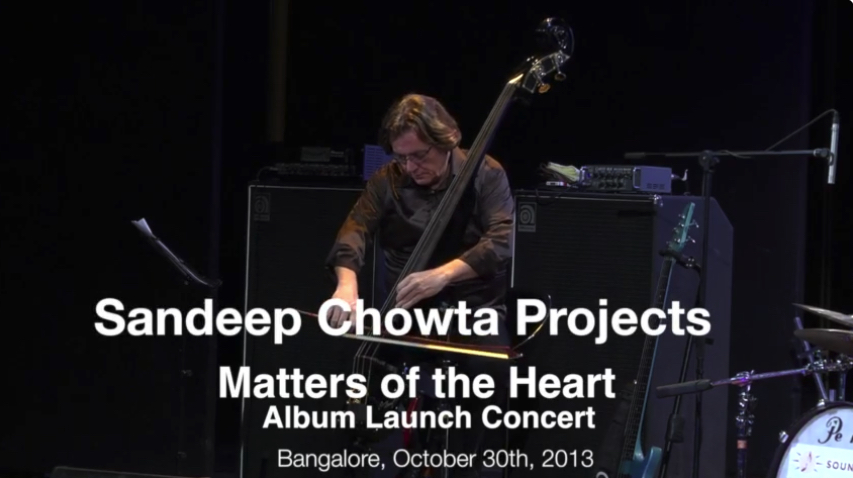
Starring Bunny Brunel by Sandeep Chowta
March 12: Mumbai India
In March 2012, the Bunny Brunel Jazz Trio performed a landmark series of concerts in Mumbai, India, organized by composer Sandeep Chowta as part of his “Sandeep Chowta Projects” initiative. This elite trio brought together three generations of jazz mastery, featuring the legendary fusion bassist Bunny Brunel alongside the “Brush Master” drummer Clayton Cameron and the visionary young pianist Austin Peralta. The performance was a high-water mark for the local jazz scene, occurring just months before Peralta’s tragic passing in November of that same year. This specific tour served as a creative bridge for the collaborations that would eventually define Chowta’s massive international album, Matters of the Heart, and it remains a significant moment for Indian fans who witnessed Peralta’s rare and virtuosic talent in an intimate setting. (Watch the video)
Eiffel Tower Michel Polnareff | Bunny Brunel’s Supergroup Lineup
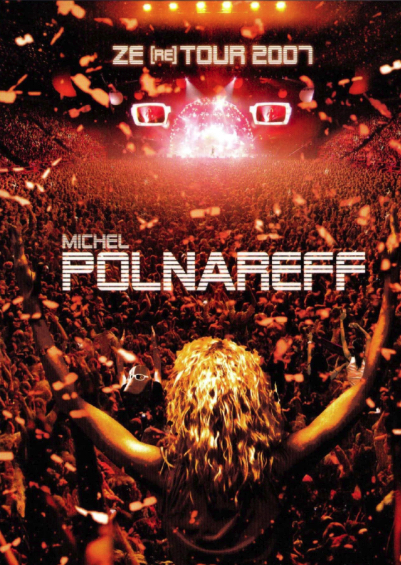
Michel Polnareff: Ze (RE)tour 2007
In 2007, Bunny Brunel reached a career pinnacle as the Music Director, Conductor, and Bassist for French icon Michel Polnareff’s legendary “Ze (re) Tour.” Following a ten-night, sold-out residency at the Palais Omnisports de Paris-Bercy, Brunel directed an elite supergroup through 40 arena dates across France, Belgium, and Monaco. The tour’s definitive moment occurred on July 14, 2007, at the Champ de Mars at the foot of the Eiffel Tower. Performing for the Bastille Day Concert de la Fraternité, Brunel led the musical architecture for a documented live and broadcast audience of over 3 million people, marking one of the largest live music events in history. To meet the production’s high technical demands, Brunel hand-picked a world-class ensemble of virtuosos, including Virgil Donati (Drums), Tony MacAlpine (Lead Guitar), Freddie Fox (Rhythm Guitar), and Mino Cinelu (Percussion), alongside keyboardists including Brad Cole, and a powerhouse vocal section featuring Judith Hill, Julie Delgado, and Nina Harris. This monumental spectacle was captured in the triple-platinum live album and DVD, Ze (re)Tour 2007, cementing Brunel’s status as a premier Music Director.
1998 – 2004: “L.A. Zoo” Residency Series – Various L.A. Venues (Bunny Brunel, Vivian Campbell, Brian Auger, Virgil Donati)
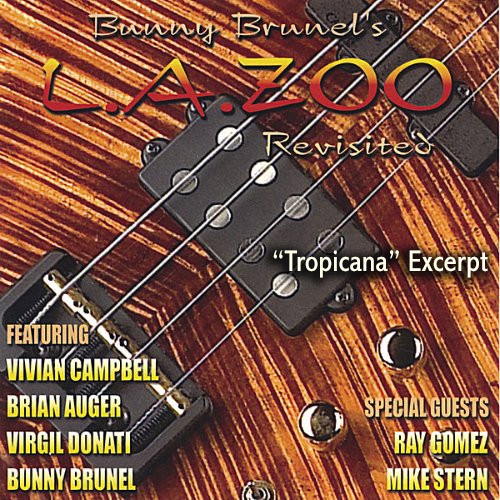 The L.A. Zoo project, active between 1998 and 2004, was a high-energy jazz-fusion residency and recording series led by bassist Bunny Brunel that showcased an unlikely but potent mix of rock and jazz virtuosists. This “supergroup” featured Vivian Campbell (Def Leppard, Dio) on guitar, the legendary Brian Auger on the Hammond B3 organ, and drumming powerhouse Virgil Donati. The project originally debuted with the album L.A. Zoo in 1998, which was born out of intense live residency sessions at various Los Angeles clubs where the musicians would stretch out on complex, improvisational fusion tracks. The series culminated in the 2004 release of L.A. Zoo Revisited, an updated version of the original work that included re-recorded bass and drum parts and new tracks, further solidifying the group’s reputation for blending heavy rock sensibilities with intricate jazz structures.
2002: Musicians Institute (Hollywood, CA) – CAB Live Recording (Bunny Brunel, Tony MacAlpine, Virgil Donati, Patrice Rushen)
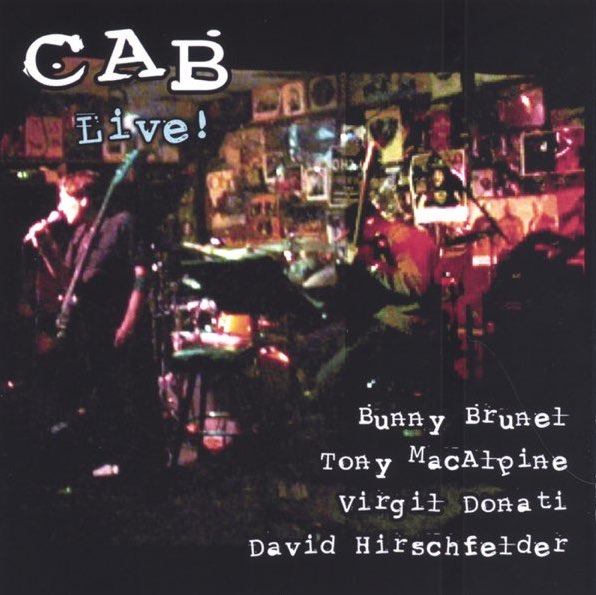
The Musician Institute Sessions: The Result
The 2002 live recording at the Musicians Institute in Hollywood stands as a definitive document of the jazz-fusion supergroup CAB at the height of its technical powers. This specific performance featured the core powerhouse trio of bassist Bunny Brunel, guitarist Tony MacAlpine, and drummer Virgil Donati, augmented by the sophisticated keyboard work of Patrice Rushen. The setlist captured the band’s signature blend of heavy rock shredding and complex jazz improvisation, featuring standout renditions of tracks like “Madeline” and “Night Splash.” While high-resolution press photography from this specific era is largely confined to the physical liner notes of the resulting CAB Live album, multi-camera video footage of the session has been archived on platforms like YouTube, offering a rare visual look at the intense chemistry between these four virtuosos in an intimate clinic-style setting.
The live recording from the Musicians Institute in 2002 was eventually released as a double CD set, which typically features candid shots of the musicians in action on its cover and inside its liner notes. Similar live footage and photography from this period, such as the Live on Sunset session, show the high-intensity performance environment shared by Bunny Brunel, Tony MacAlpine, and Virgil Donati. While Patrice Rushen joined for the 2002 MI date, much of the band’s official visual history focuses on the core trio that defined their early albums like CAB and CAB 2.
February 26, 1997: 39th Annual GRAMMY Awards (NY) – Ella Fitzgerald Tribute: Natalie Cole feat. Herbie Hancock, Wayne Shorter, Jack DeJohnette, Bunny Brunel
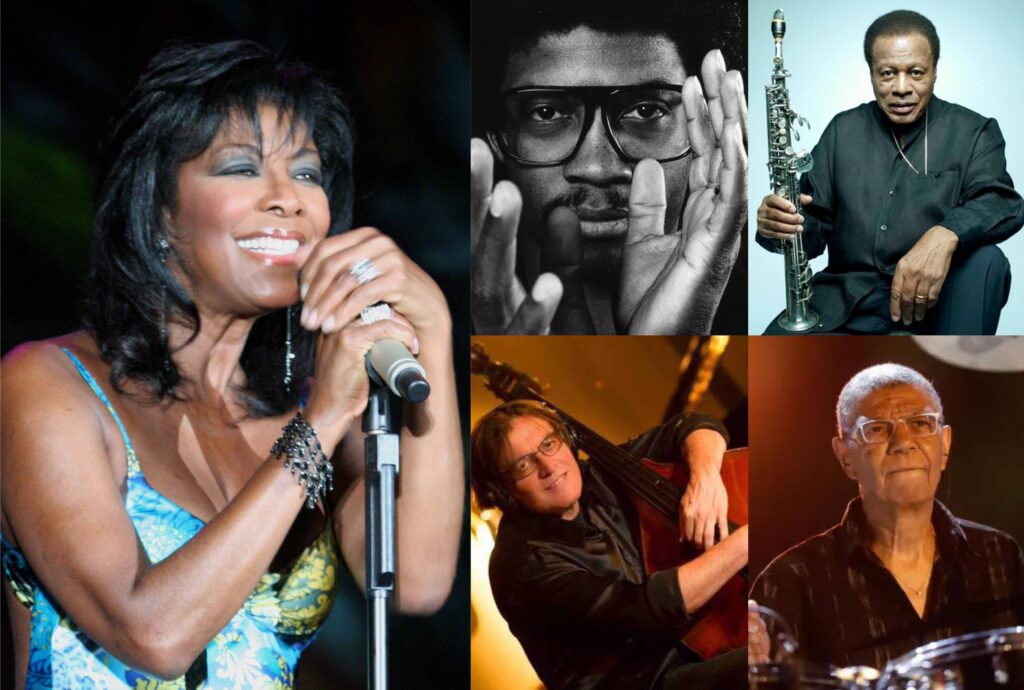
Natalie Cole performs after receiving the Grammy for Best Jazz Vocal Album 1997 (Lineup: Herbie Hancock, Wayne Shorter, Bunny Brunel, & Jack DeJohnette)
At the 39th Annual GRAMMY Awards held on February 26, 1997, at Madison Square Garden in New York, a high-profile tribute was staged for jazz legend Ella Fitzgerald, who had passed away the previous June. The performance featured
July 27, 1980: Denen Coliseum (Tokyo, JP) – Live Under the Sky: Chick Corea Band feat. Sadao Watanabe (Chick Corea, Sadao Watanabe, Bunny Brunel, Tom Brechtlein, Don Alias)
-

- Live Under the Sky 1980
-
- Live Under the Sky 1980 (BACK)
-
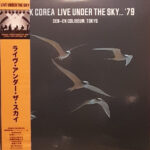
- Live Under the Sky 1979
-
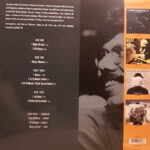
- Live Under the Sky 1979 BackLive Under the Sky 1979
1979: Tony Williams Lifetime
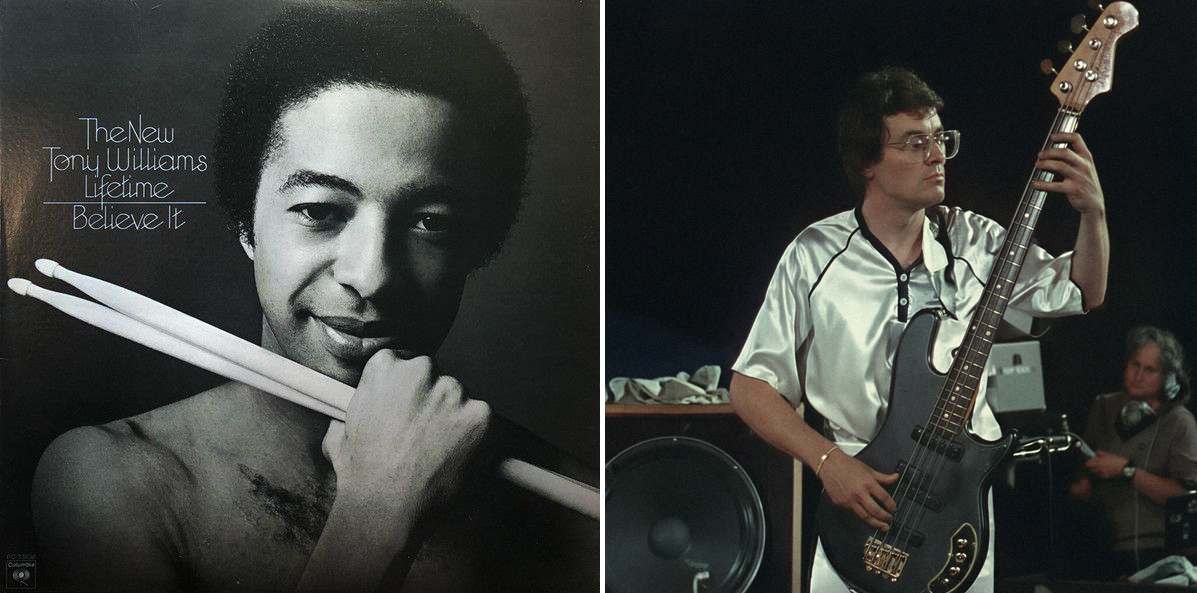
Tony Williams Lifetime 1978 & Bunny Brunel
The musical chemistry between Bunny Brunel and Tony Williams remained a defining element of the fusion era. Their collaborations throughout 1979 are preserved in several rare live recordings and broadcast tapes that showcase the sheer power and precision of their rhythm section. Following this intense year of global touring, Brunel continued to work with Williams in various configurations, including further high-profile dates with the Chick Corea Band in 1980. (Watch the video: https://bunnybrunelofficial.com/js_videos/tony-williams-lifetime-july-26-1979-france/)
1979: “Spain” World Tour: Al Jarreau feat. Chick Corea, Gayle Moran, Gary Burton, Tom Brechtlein, Bunny Brunel
The touring lineup for this period was an elite “supergroup” consisting of Bunny Brunel on fretless and electric upright bass, Tom Brechtlein on drums, and GayleMoran (Corea’s wife) on backing vocals and synthesizers. This specific rhythm section, which had also performed at the 1979 and 1980 Live Under the Sky festivals in Tokyo, was known for its high-energy fusion and precise technicality. While Jarreau provided the pop-inflected R&B sensibility that appealed to a broader audience, the band maintained the complex, improvisational edge that defined Corea’s late-70s and early-80s work.
Bunny Brunel performed and toured as the bassist for Tania Maria from 1976 to 1978, appearing at legendary venues such as Ronnie Scott’s Jazz Club in London and various major festivals across Europe and the UK.
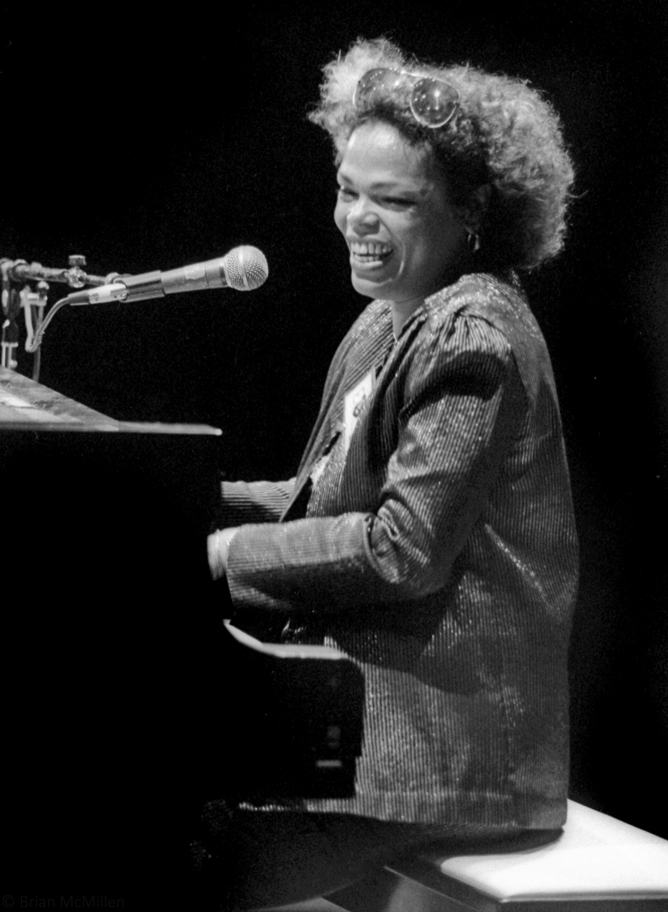
Tana Maria
© Brian McMillen
Bunny Brunel’s tenure as the bassist for Brazilian jazz legend Tania Maria spanned the mid-to-late 1970s, serving as a critical period of artistic growth before his breakthrough with Chick Corea in 1978. During these years, Brunel was a core member of her ensemble, contributing his signature fretless bass to a high-energy fusion of samba, jazz, and funk that defined Maria’s sound during her rise in the European jazz circuit. The partnership was characterized by extensive touring throughout Europe and the United Kingdom, with a particular focus on major jazz hubs. A defining residency occurred at the world-renowned Ronnie Scott’s Club in London, where the band’s performances became a “must-see” for the global jazz community. It was at this venue that Brunel’s virtuosic playing caught the attention of keyboardist Patrick Moraz, who introduced him to Chick Corea, leading to his first Grammy-nominated recording on the album Secret Agent.
They also performed at various prestigious international stages, including a notable filmed performance of the hit “Yatra-Ta” in 1980, which showcased their “explosive” on-stage chemistry. Tania Maria established him as a premier bassist in the jazz-fusion movement and solidified his reputation for blending complex modal changes with infectious Brazilian rhythms.
1976 – 1977: Japan 54-City Tour: Georges Moustaki | Bunny Brunel Music Director & Bassist
A major highlight of this collaboration was the performance at Carnegie Hall in New York, which served as a prestigious showcase for Moustaki’s global appeal and Brunel’s versatility as a musical director. On such a storied stage, Brunel’s ability to provide a tasteful yet technically proficient foundation allowed Moustaki’s signature tracks, like “Le Métèque,” to shine in an orchestral jazz context. This period of intense global performance also included residency-style shows at the iconic Olympia in Paris, where the group refined the sound that was captured on several live recordings from the late 1970s. The synergy between the two artists is well-documented on the album Moustaki Live (1975/1976) and later on the Olympia (1978) release, which features Brunel’s distinct fretless bass work. These performances were more than just backing gigs; they were comprehensive musical “experiences” where Brunel’s leadership helped evolve Moustaki’s sound for the international stage. Following this successful run, Brunel’s reputation as a world-class director and bassist led him directly into his next major chapter with Chick Corea, further cementing his place in the jazz-fusion pantheon.
AND SO IT BEGINS . . .