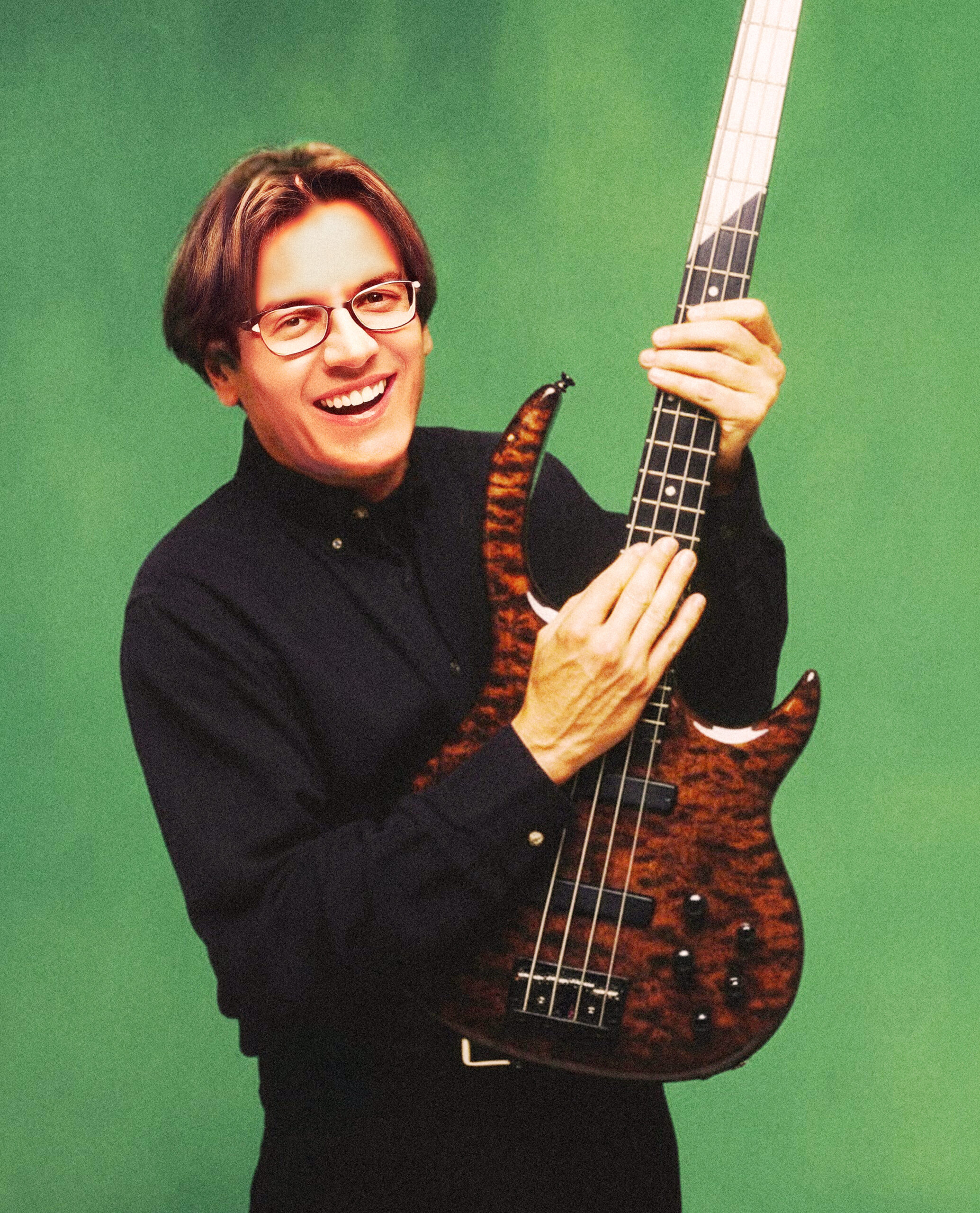
1990s: Music & Bass Design
A decade of performing, recording, and building the bass.
The 1990s marked a decade of expansion, visibility, and creative development for Bunny Brunel—one that extended far beyond the boundaries of the bass itself. Whether on major stages, in the studio, or behind the scenes shaping the instrument, Brunel’s presence during this era reflected both artistic growth and industry recognition.
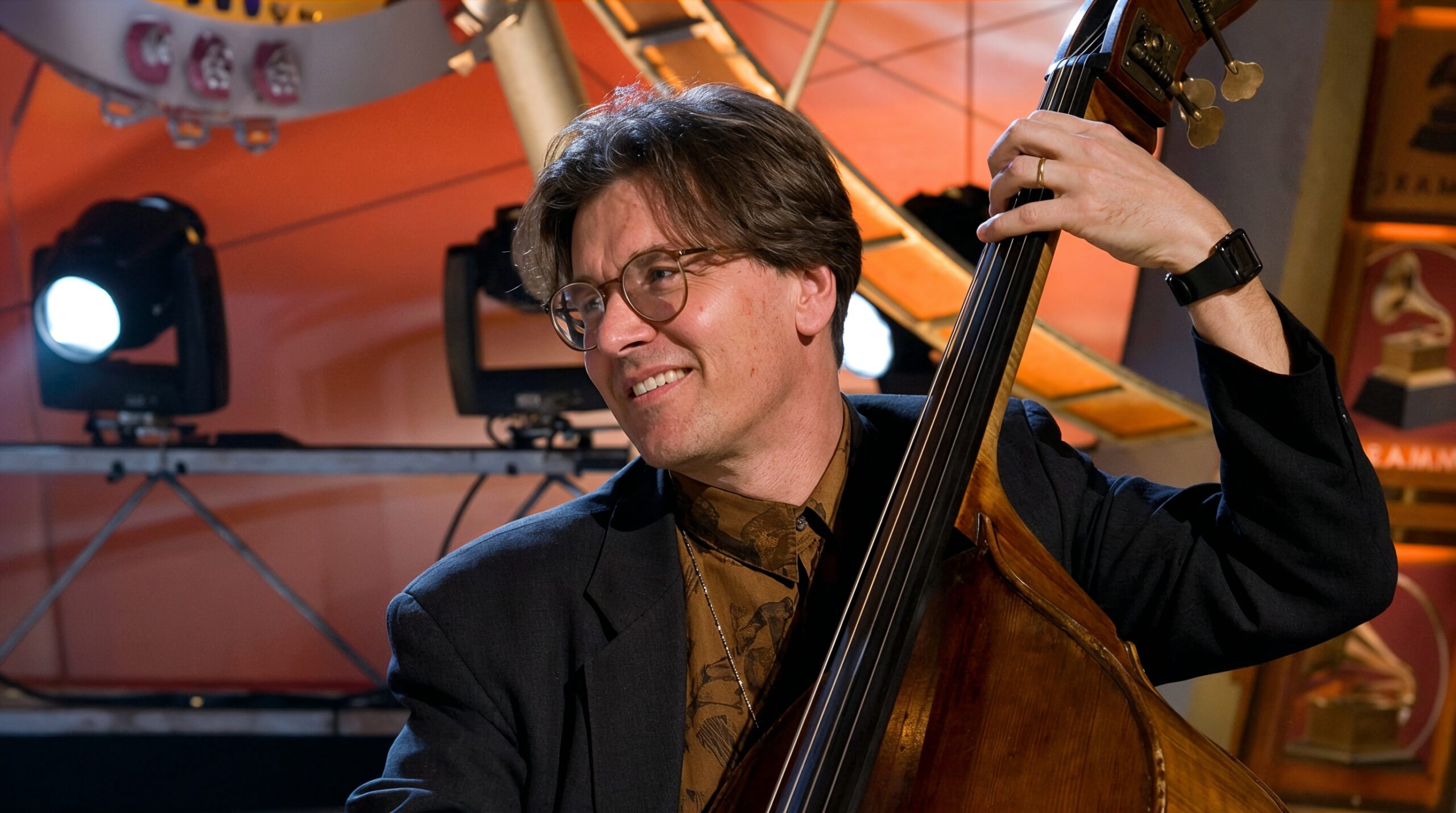
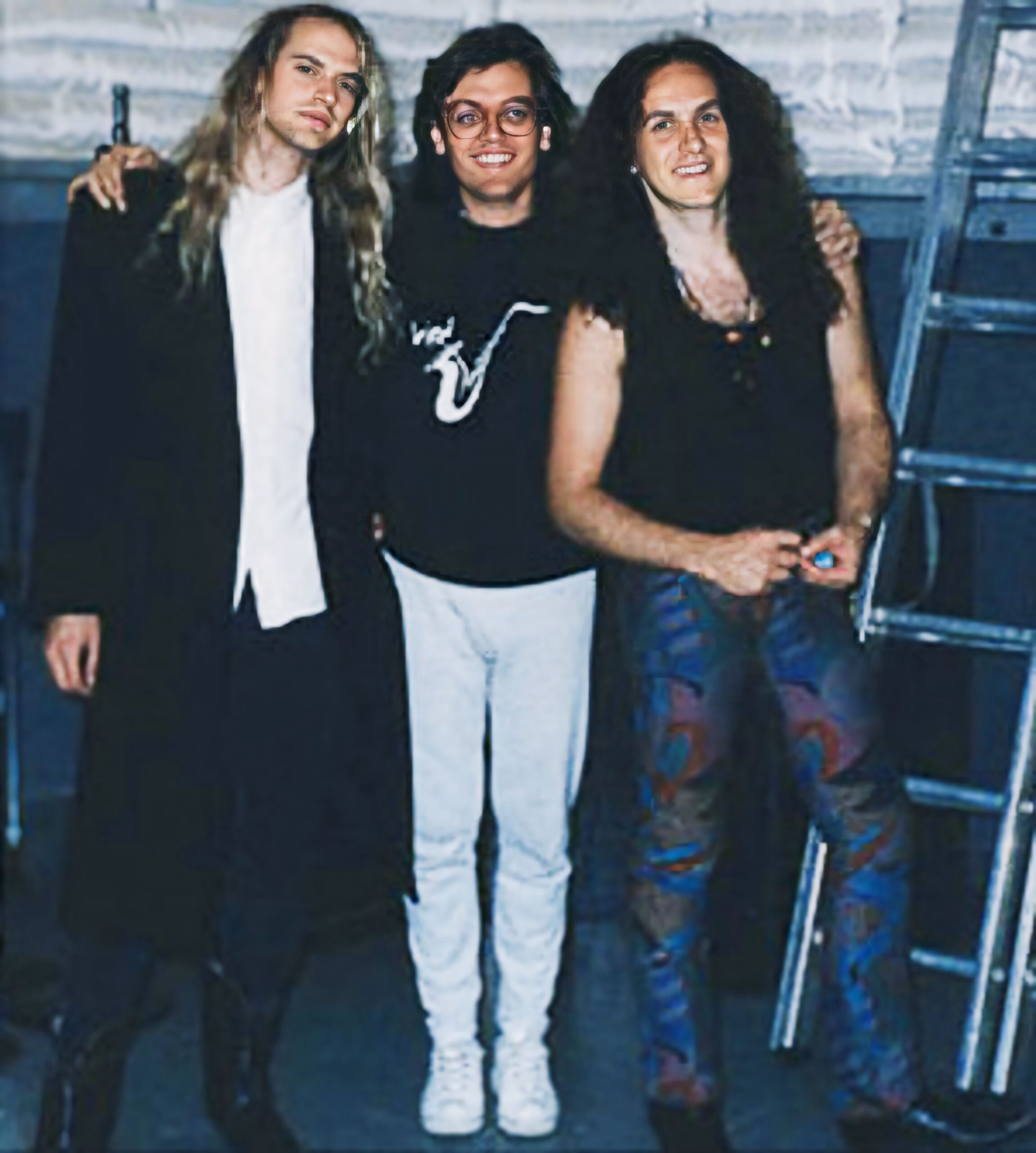
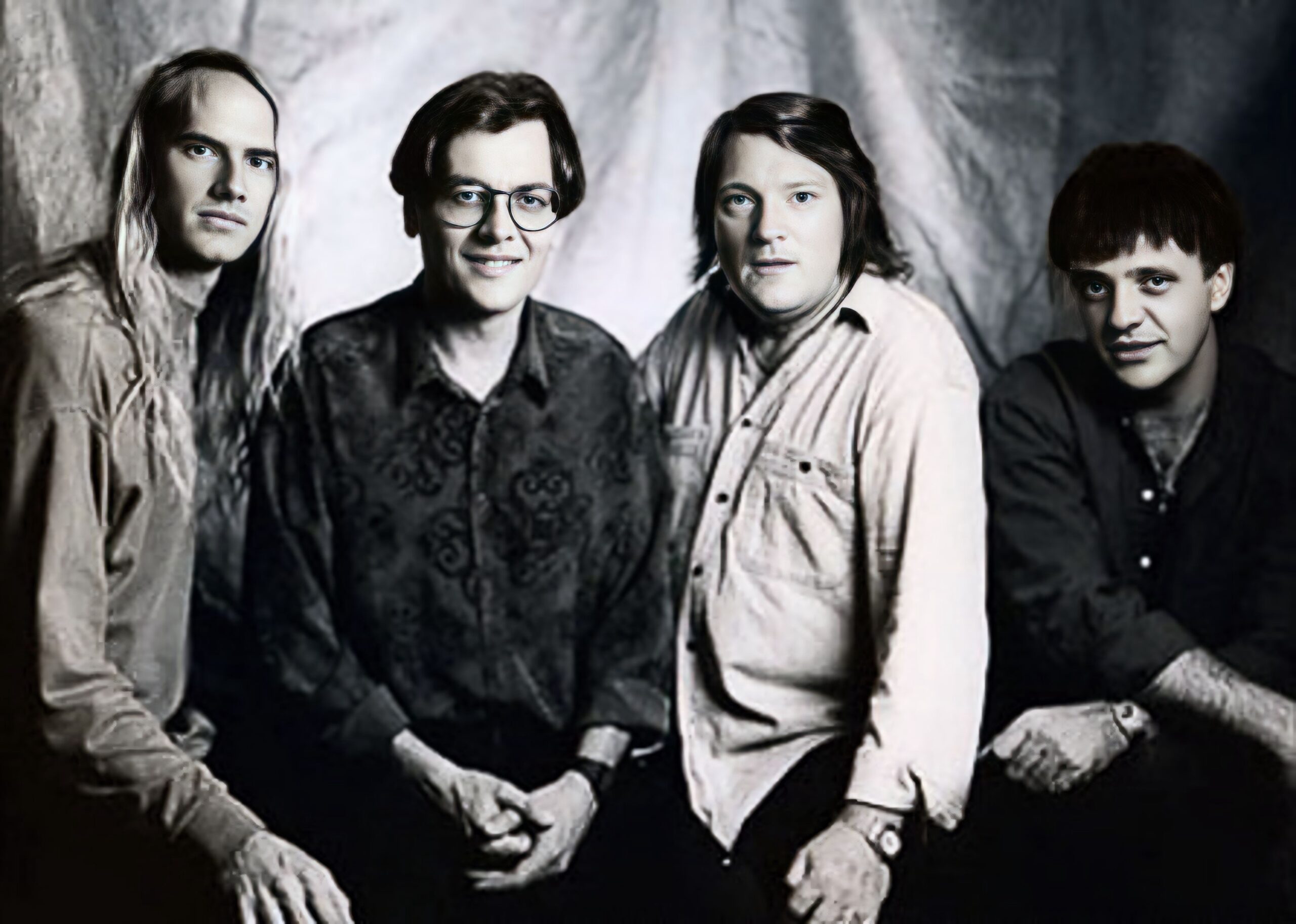
A defining highlight of the decade includes Brunel’s participation in the 43rd Grammy Awards, sharing the stage with Natalie Cole, Herbie Hancock, Wayne Shorter, and Jack DeJohnette. The performance placed Brunel within a circle of musicians who not only defined modern jazz, but shaped its global perception. These moments were not isolated appearances; they were part of a broader continuum of collaboration and recognition that characterized his work throughout the decade. At the same time, Brunel remained deeply connected to the evolving fusion and rock landscapes, appearing alongside musicians such as Frank Gambale, Vivian Campbell, Alain Caron, Brian Bromberg, and longtime collaborator John Wackerman. These associations reflect not just versatility, but a sustained presence across multiple musical circles, from high-level fusion to broader contemporary performance settings.
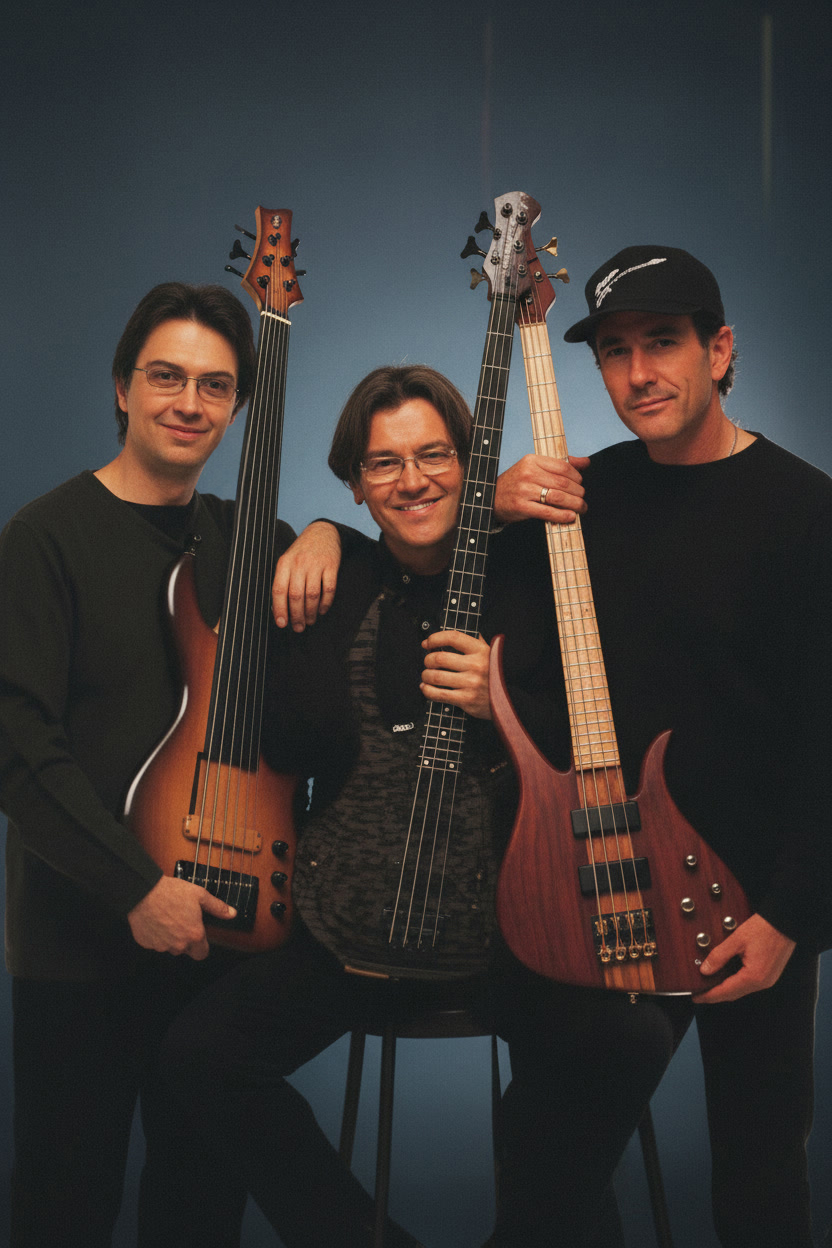
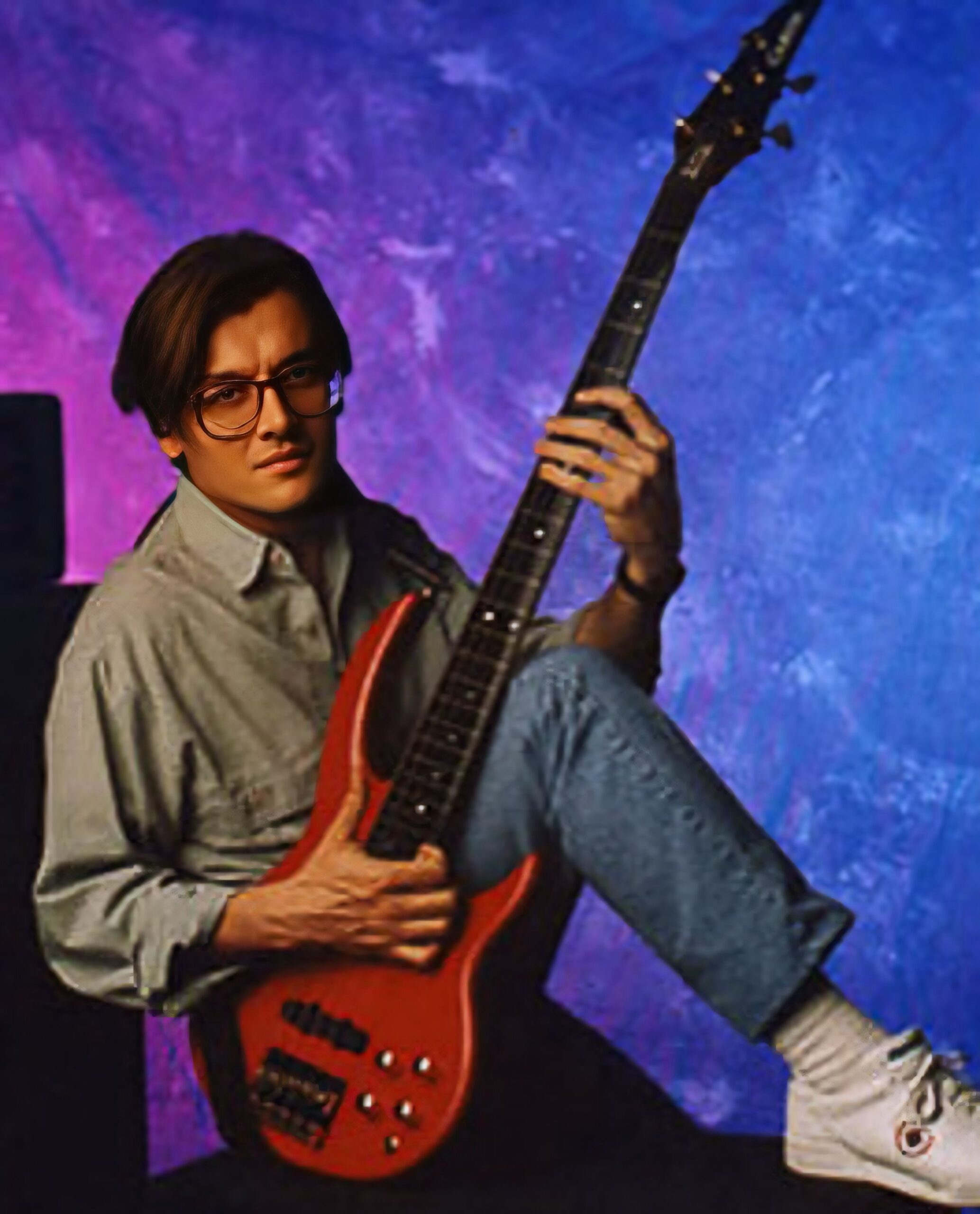
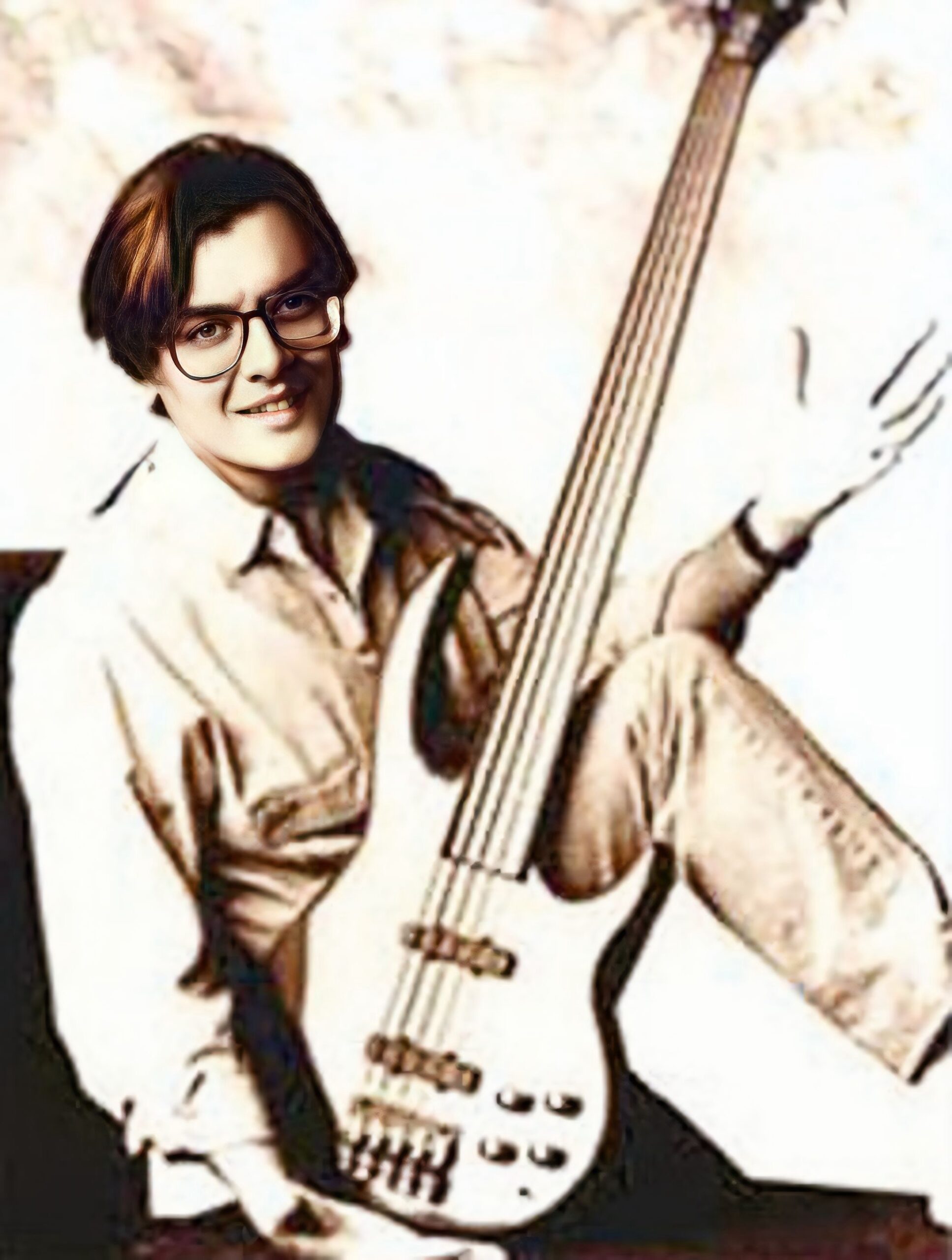
While much of the decade was defined by performance and collaboration, Brunel’s recording work in the 1990s remained equally vital. His 1994 release For You to Play, recorded at Chick Corea’s Mad Hatter Studios, stands as a defining statement of his melodic approach to the fretless bass, featuring contributions from Mike Stern and Billy Childs. The album reflects a balance of technical command and musical sensitivity, reinforcing Brunel’s identity not only as a collaborator, but as a composer and bandleader. Throughout the decade, his recording output continued to complement his live presence, offering a documented counterpart to the expansive musical activity captured on stage and in collaboration. Beyond performance, the 1990s were equally significant in establishing Brunel’s voice within the world of instrument design. His early work with Carvin led to the development of signature basses that emphasized tone, playability, and technical responsiveness—extensions of his own musical philosophy. These instruments were not simply branded models, but practical tools shaped by a working musician deeply engaged with the demands of modern performance.
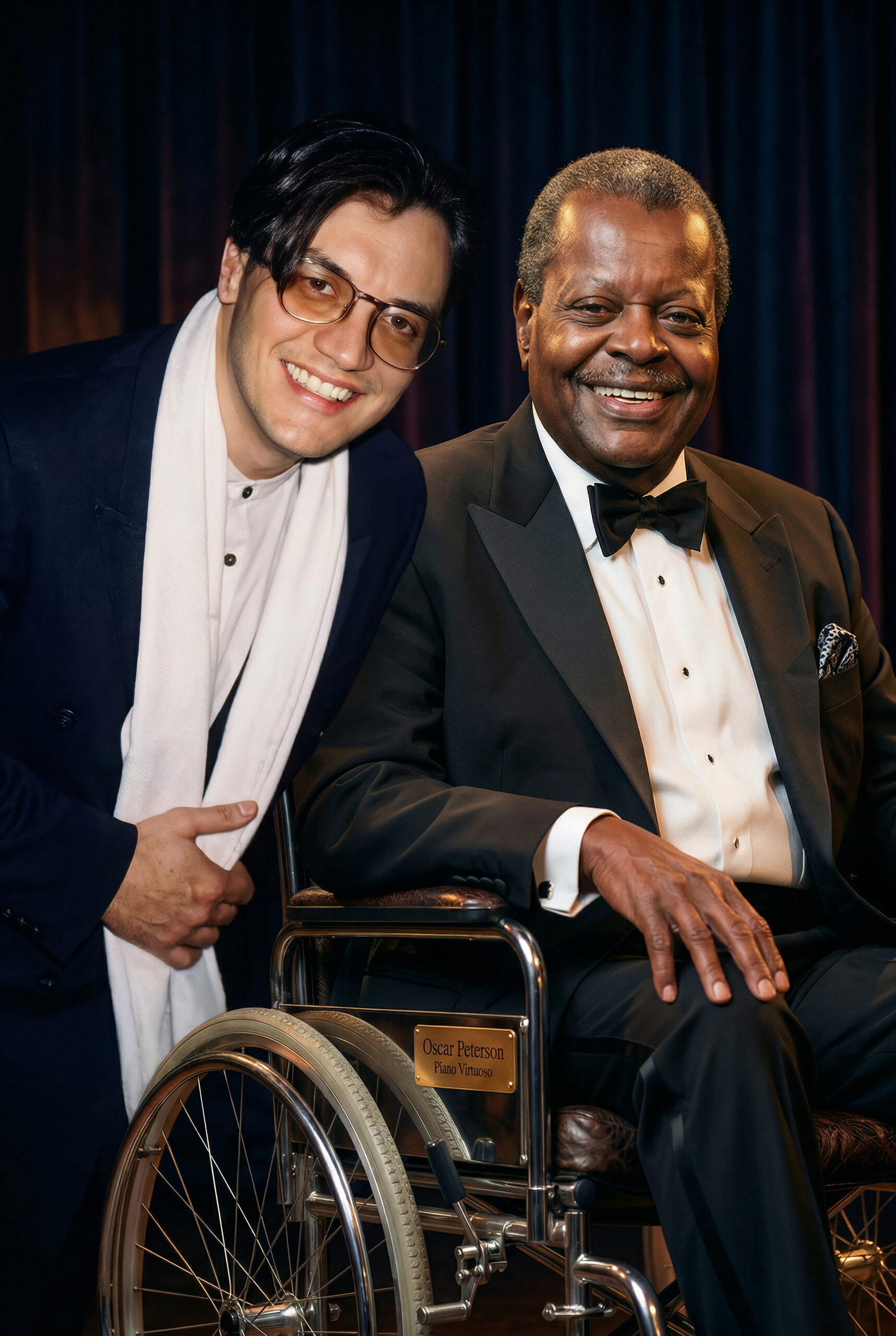
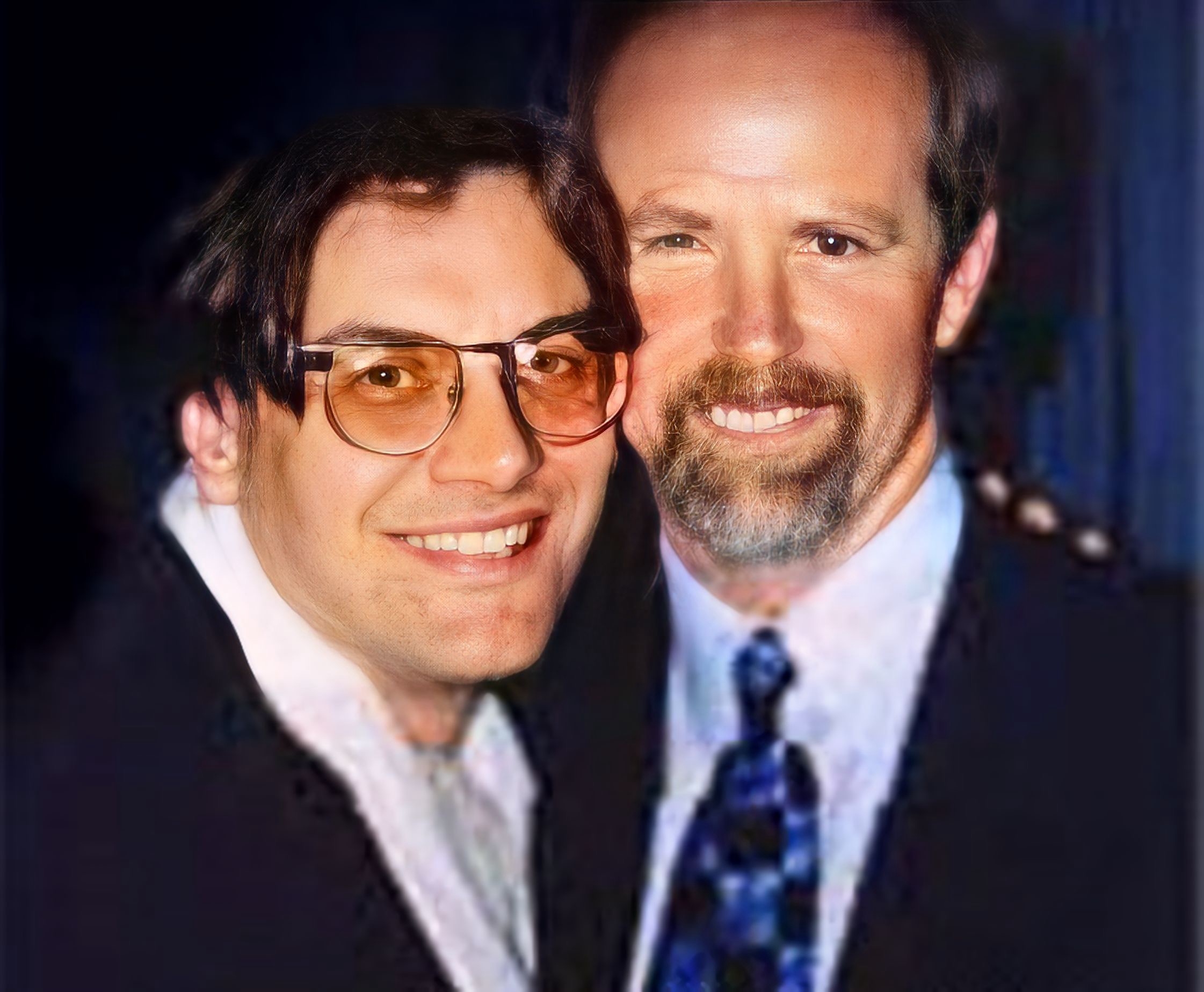
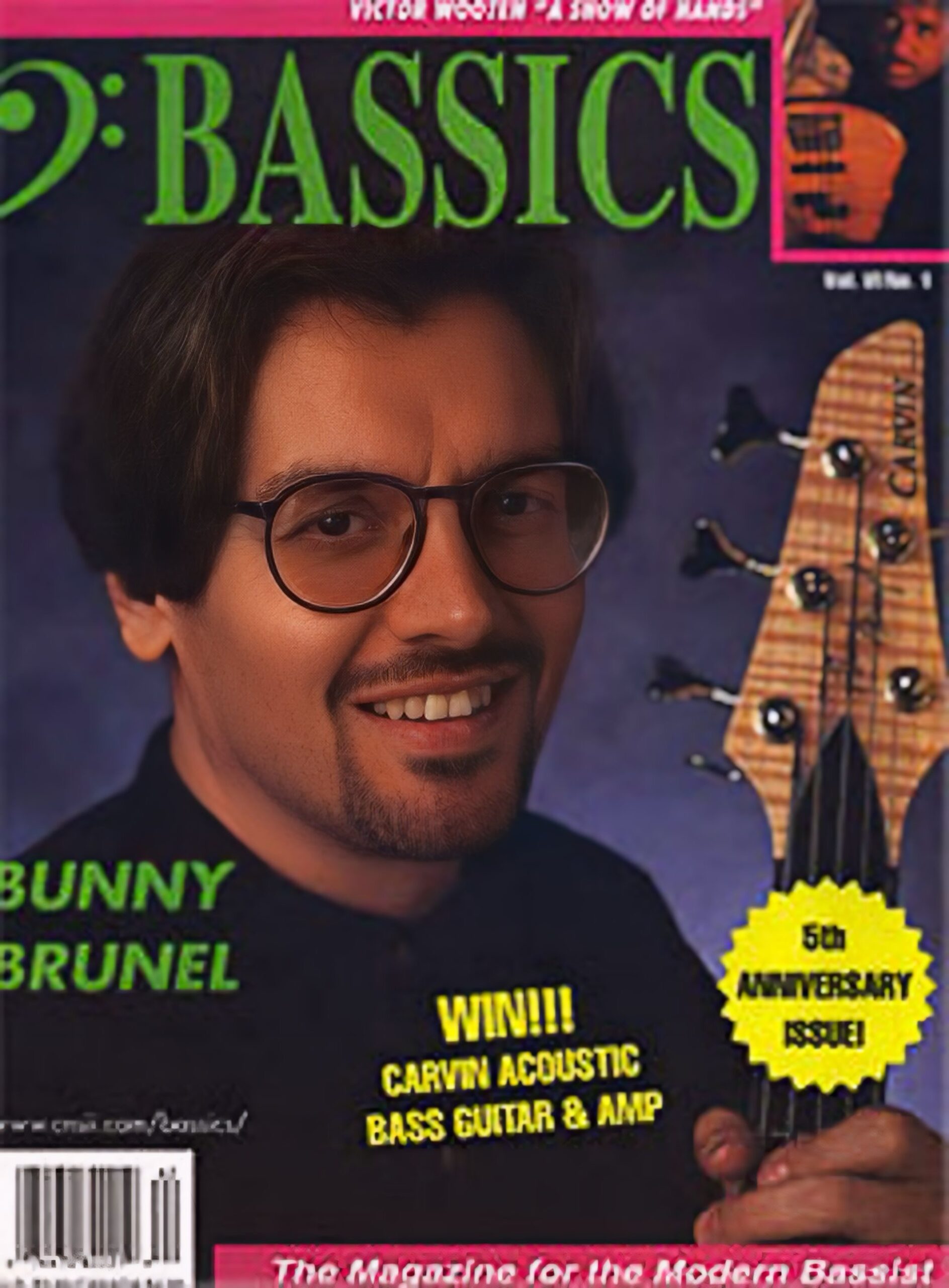
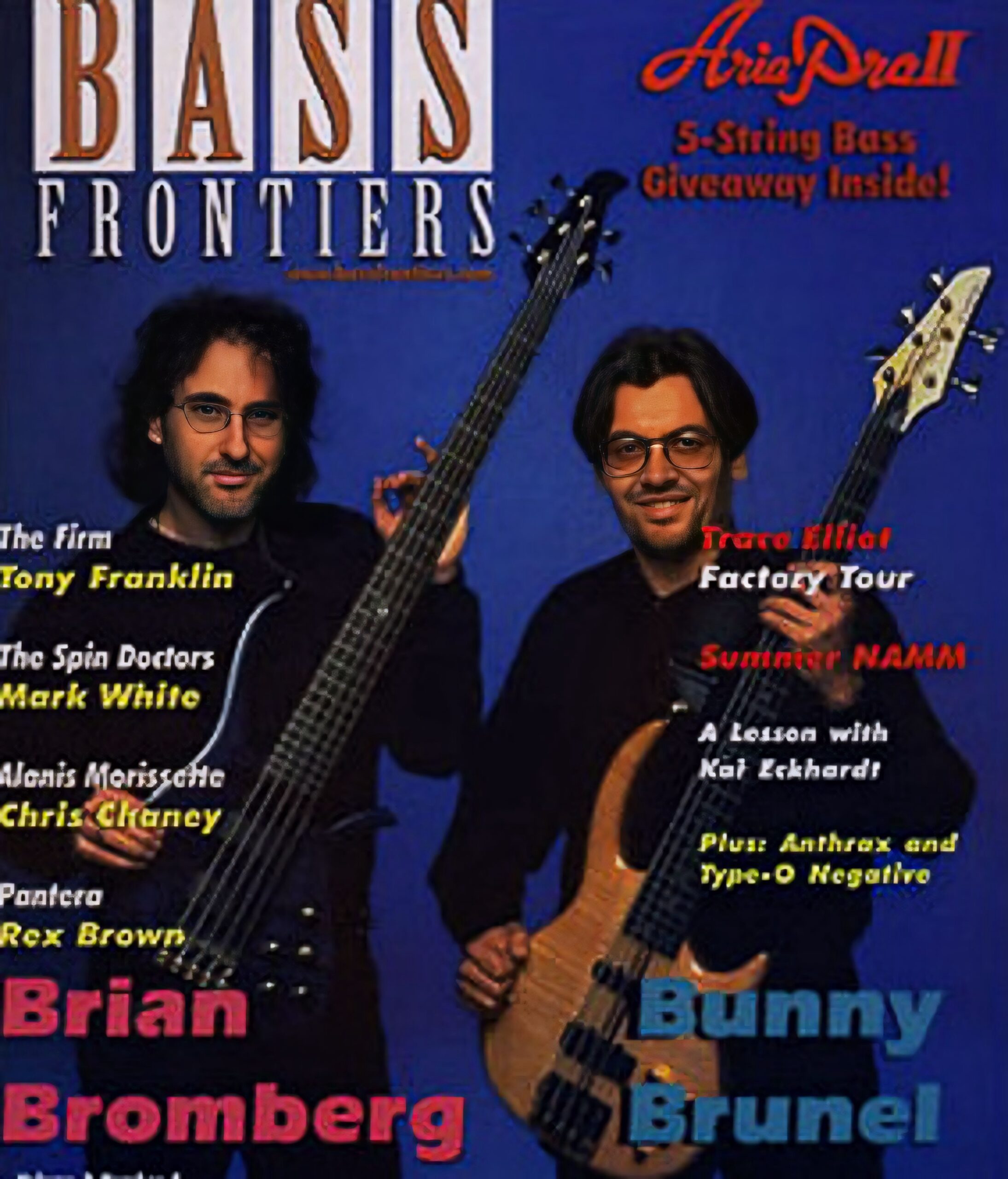
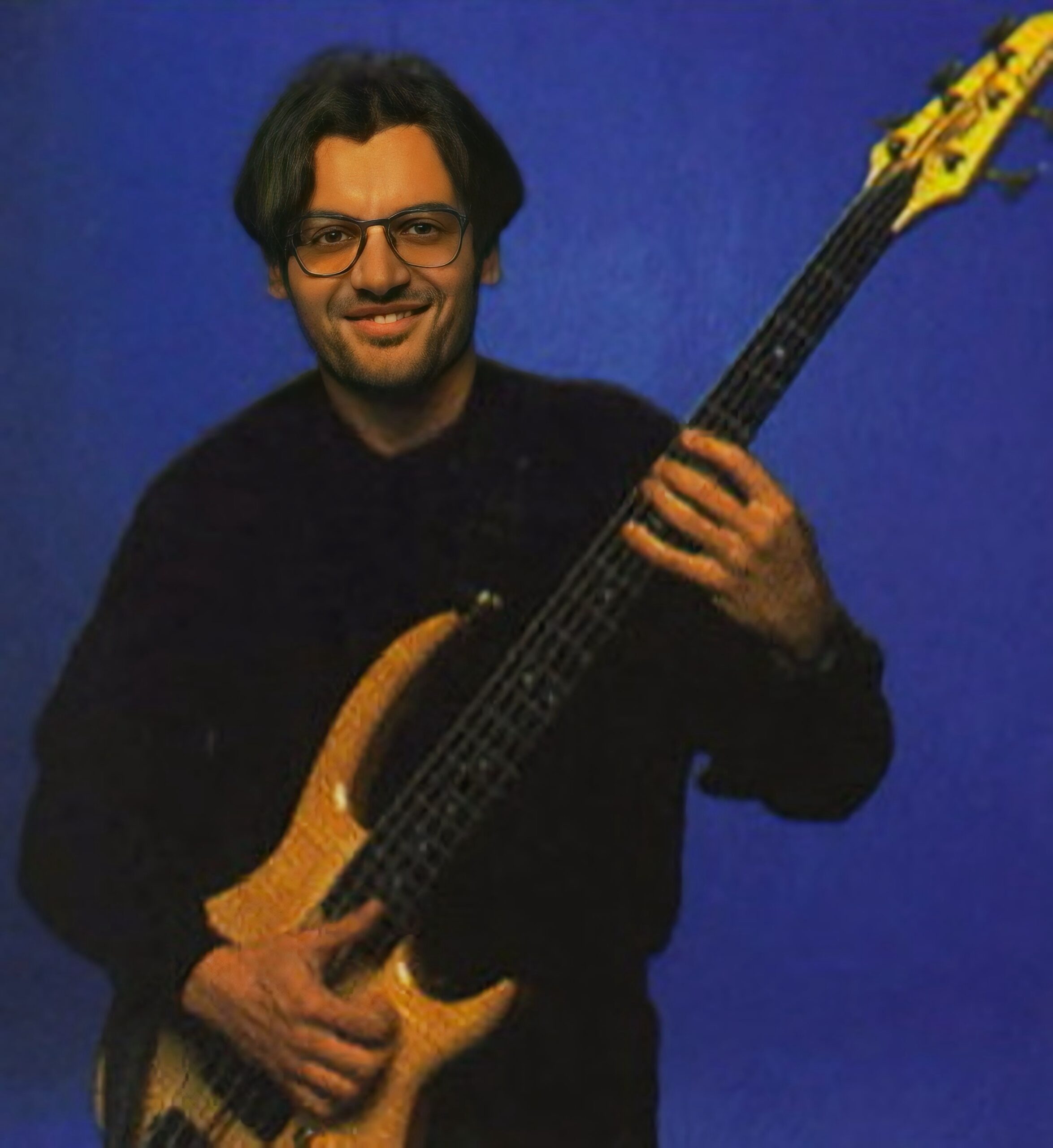
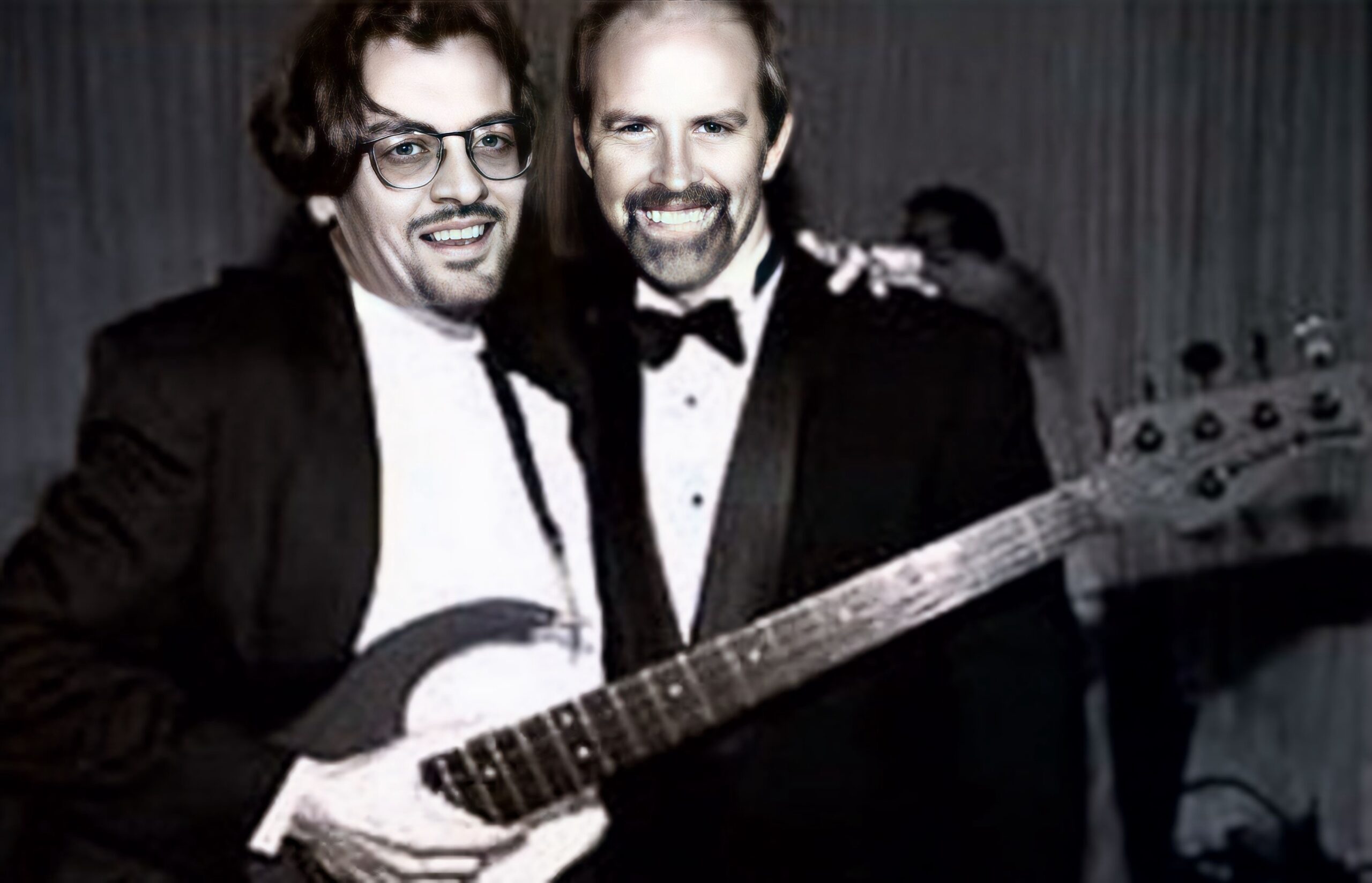
The decade also saw Brunel’s growing visibility in the press, with features and covers in leading publications including Bassics, Bass Frontiers, and Mix Magazine, along with a range of international magazine spreads. These appearances documented not only his technical command, but his influence as a player operating at the intersection of jazz, fusion, and contemporary music. Surrounding these milestones were moments of connection with legendary figures such as Carol Kaye and Oscar Peterson, as well as industry recognition reflected in appearances with former NARAS president Michael Greene. Taken together, these images and events offer a portrait of an artist fully embedded in the musical and professional fabric of his time.
By the close of the decade, Brunel had not only expanded his reach as a performer, but had also begun shaping the tools and relationships that would define his work moving forward. The 1990s stand as a period where stage, studio, design, and recognition converged—laying the groundwork for everything that followed.